
Aawambo Communities
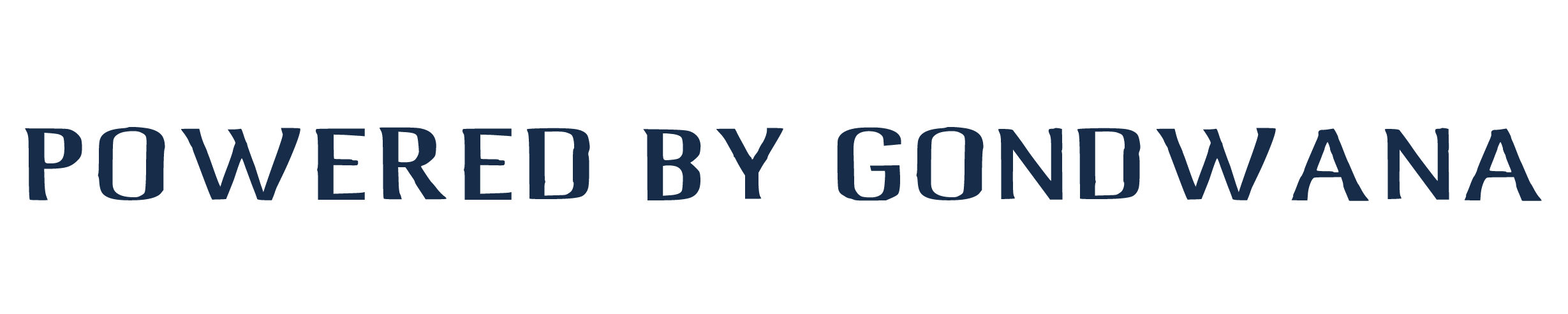
Aawambo is an umbrella identity for several communities connected by Oshiwambo language varieties and histories across north-central Namibia and southern Angola.

Namibia's people belong to many communities, speak many languages and share histories that reach across present-day borders. Identity can draw on family, language, place and experience, alongside a sense of belonging to Namibia.
The names in this collection describe different kinds of identity. Some refer to a community; others bring together related communities or people associated with a region. They are starting points for understanding, rather than a complete classification of the country's people.
Read the individual articles for the distinctions within each grouping, its historical context and its place in contemporary Namibia.
Source: Namibia Statistics Agency, 2023 Population and Housing Census . These are census figures, not a current population estimate.
Explore the articles below. Each article explores identity, history, language and contemporary life, including the distinctions within broader groupings.
Aawambo is an umbrella identity for several communities connected by Oshiwambo language varieties and histories across north-central Namibia and southern Angola.
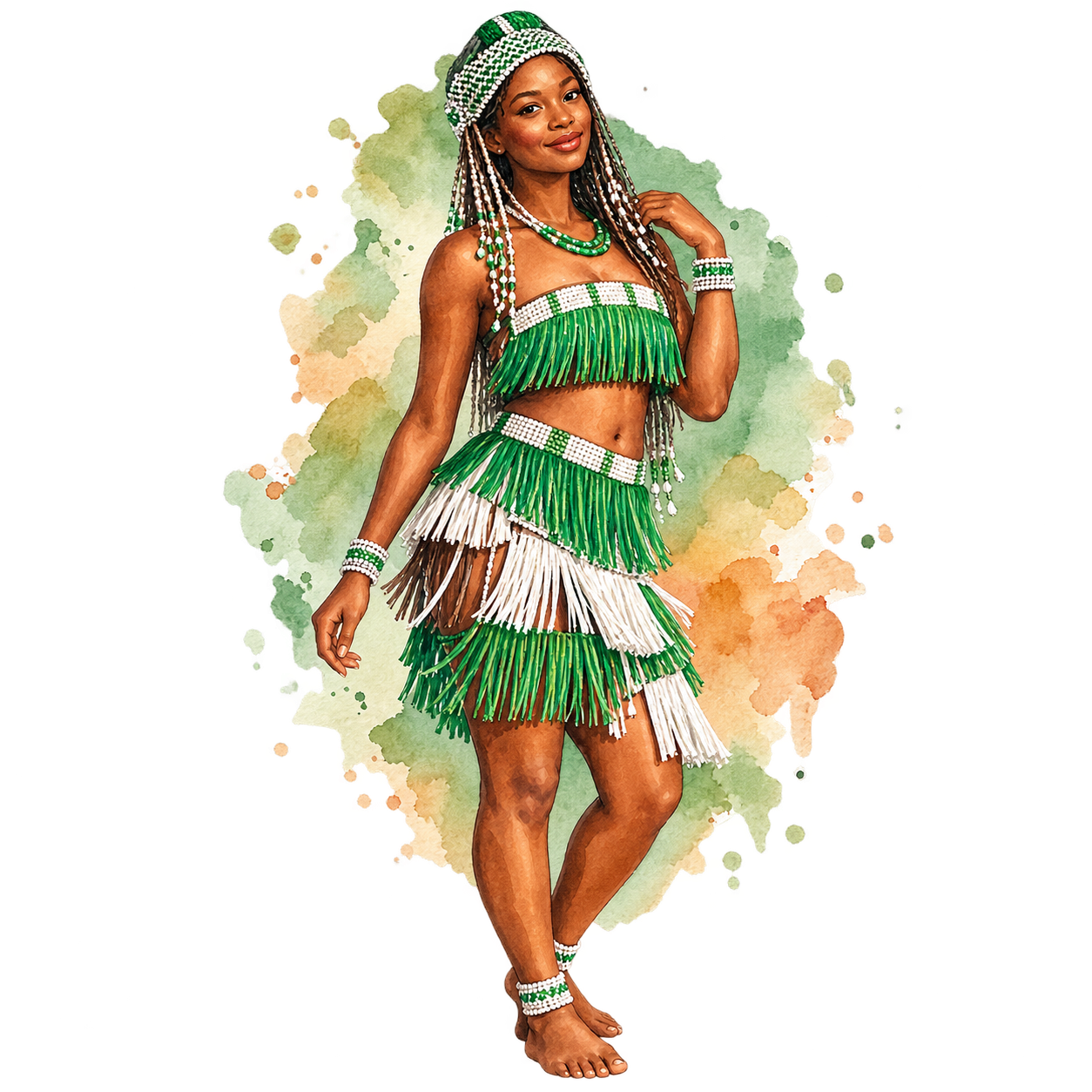
Kavango is a regional and cultural umbrella for distinct communities along the Kavango/Okavango River and its hinterland.
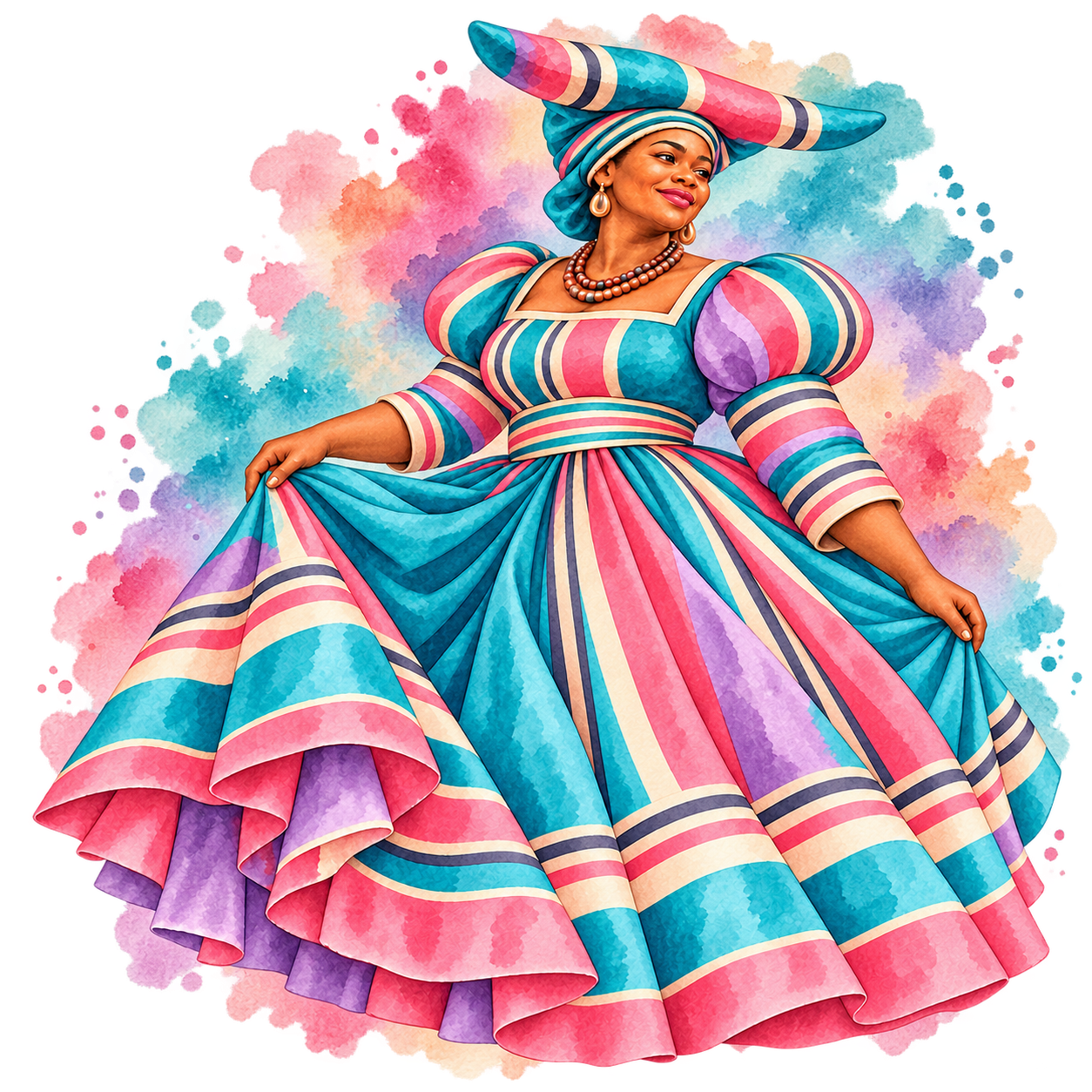
OvaHerero histories connect Otjiherero, cattle, family institutions and political remembrance with the profound consequences of colonial genocide and dispossession.
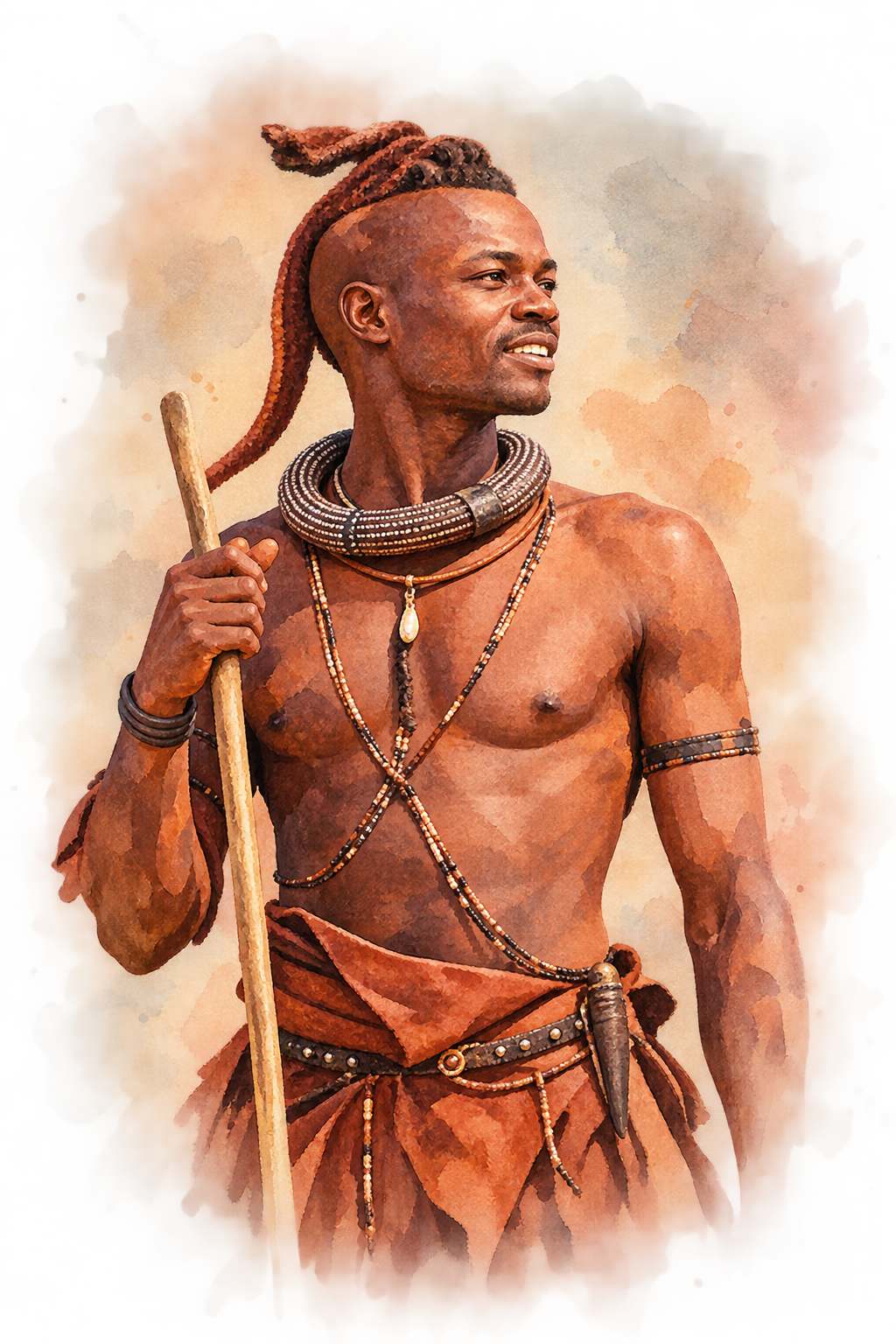
Ovahimba communities are associated especially with north-western Namibia and neighbouring Angola.
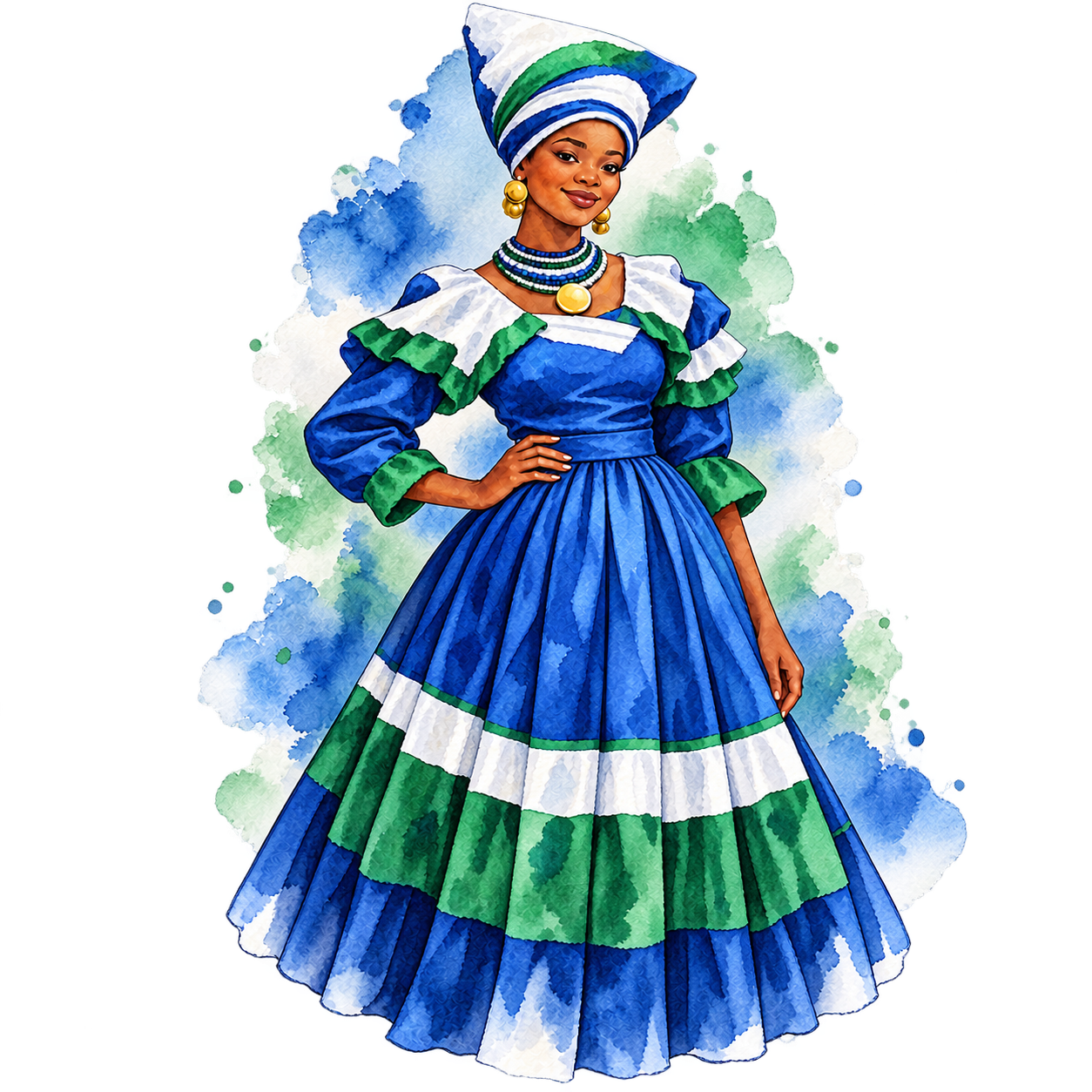
Damara communities have distinct histories and identities despite sharing Khoekhoegowab with Nama and Haiǁom speakers.
.png)
Nama encompasses distinct communities with histories across southern Namibia and the wider Orange River region.
Language is an important part of identity, but the two do not correspond one to one. A language may be shared by several communities, and people may use different languages at home, at school and at work.
Names such as Oshiwambo also encompass related language varieties. The language page provides a fuller introduction to Namibia's multilingual life.
Examples only; this is not a complete list.
Read about Namibia's languages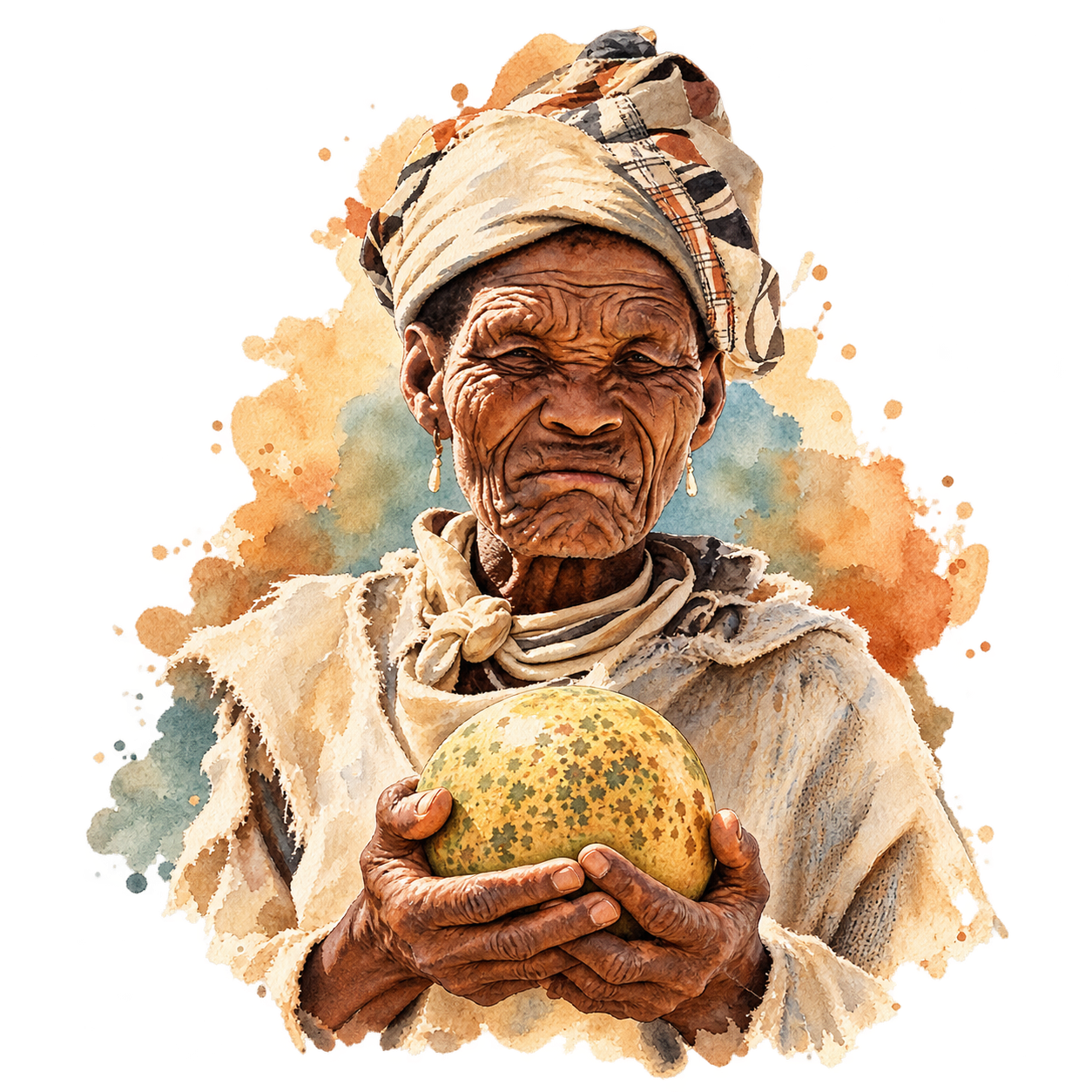
The ≠Aonin, commonly called Topnaar, are closely associated with the lower Kuiseb, central Namib and Walvis Bay area.
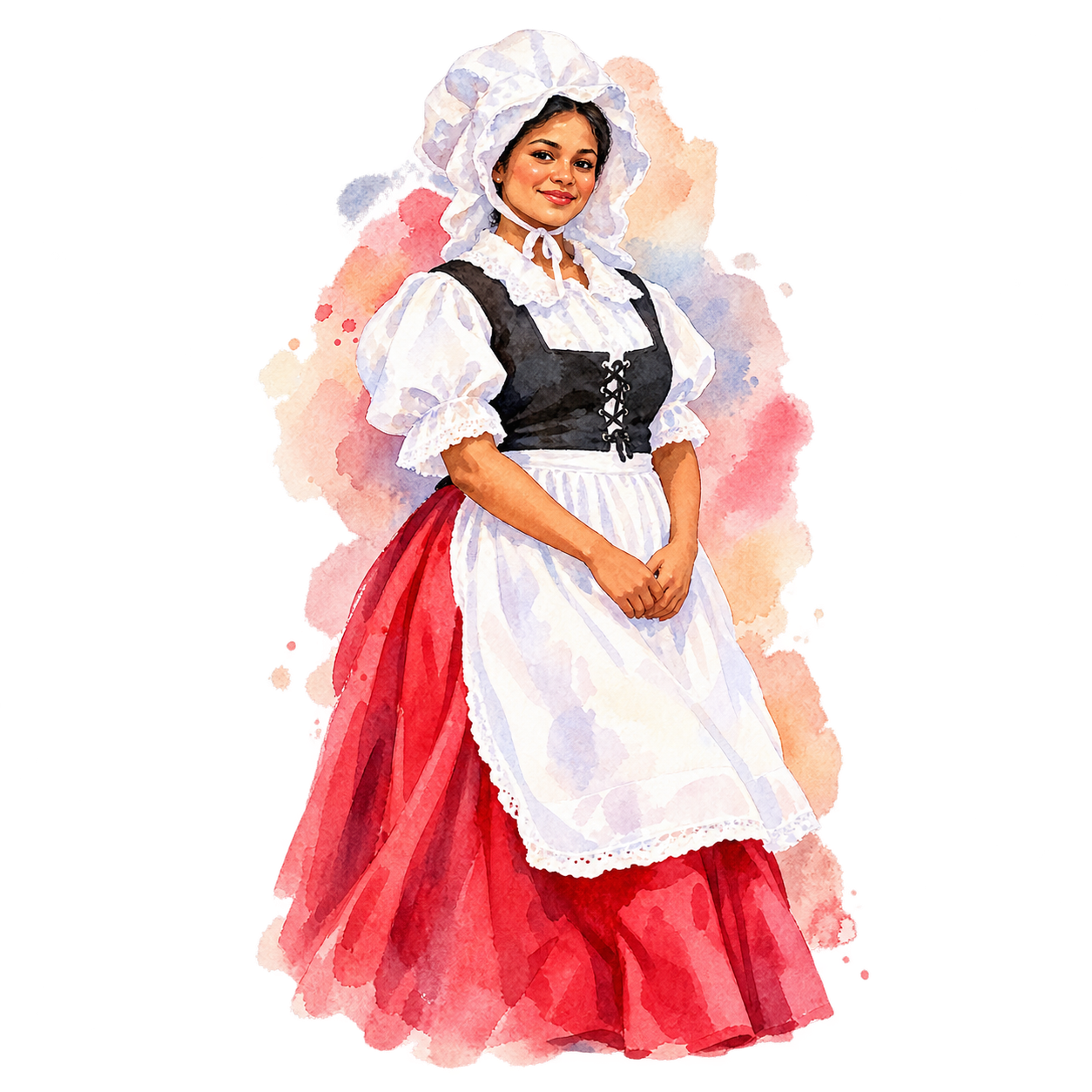
Rehoboth Baster identity is rooted in shared history, Afrikaans, family networks, land and institutions of self-government.
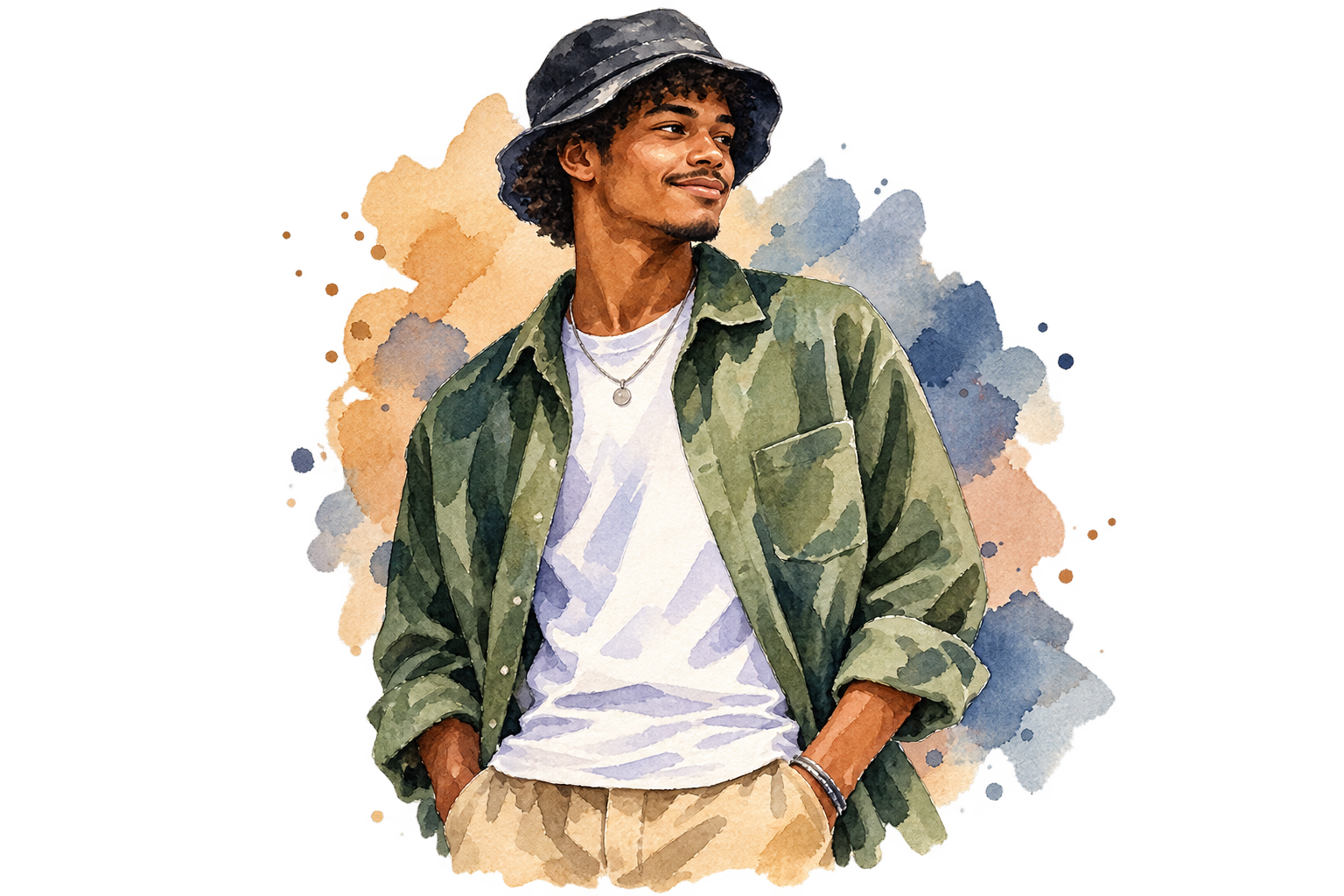
Coloured is a self-identified community name with a particular southern African history.
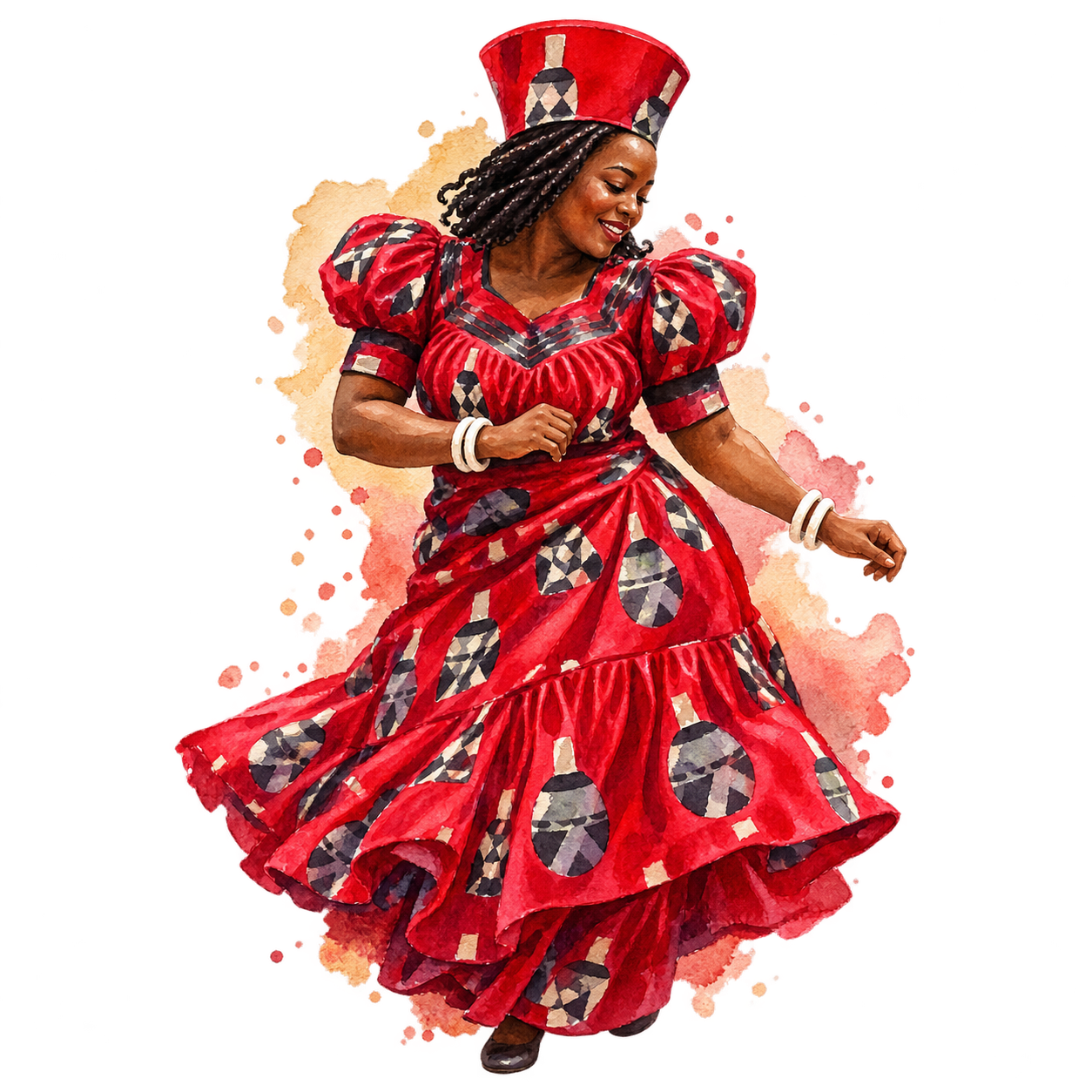
Zambezi is an administrative region containing several distinct communities, languages and leadership histories.
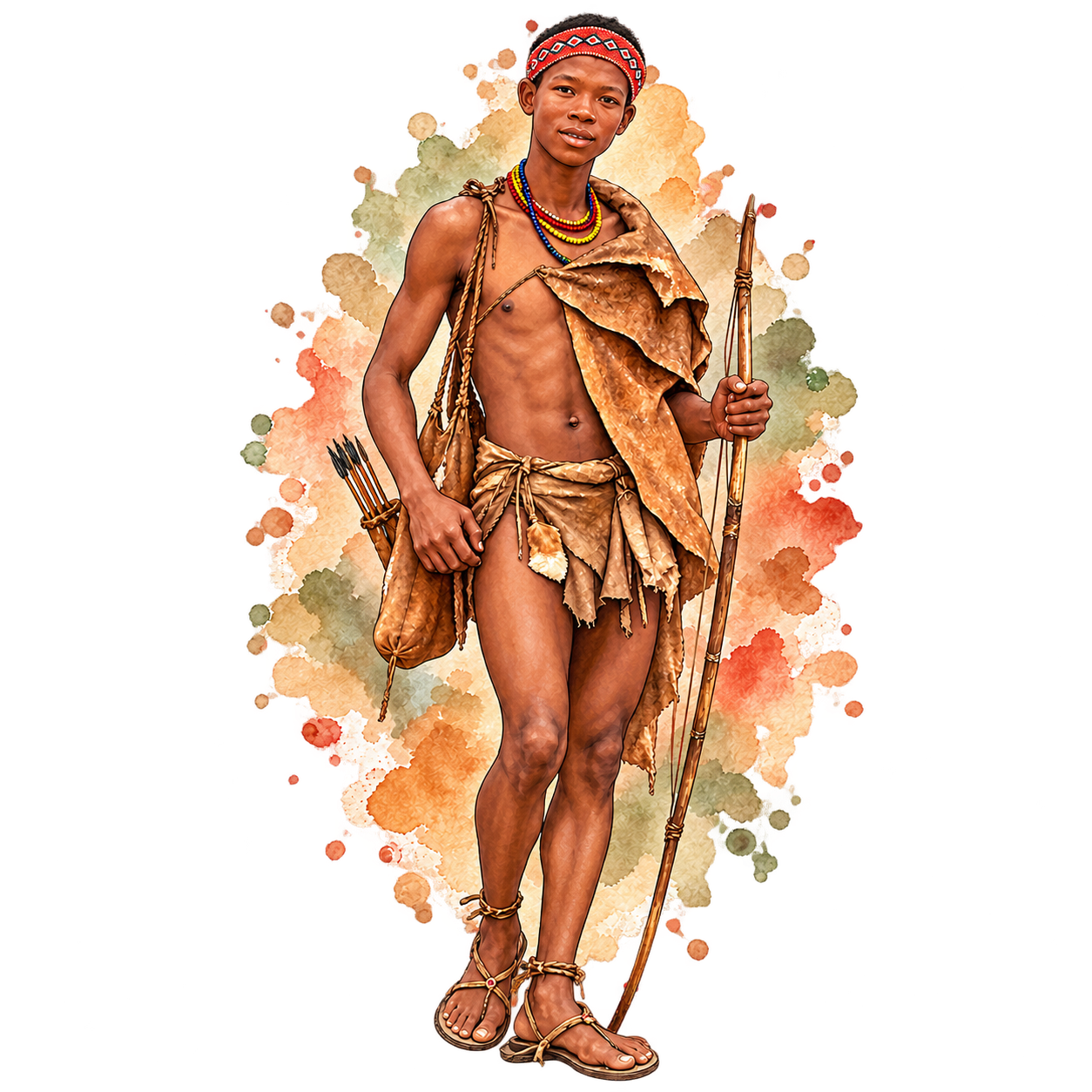
San is an umbrella term for several Indigenous communities with different languages, histories and circumstances.
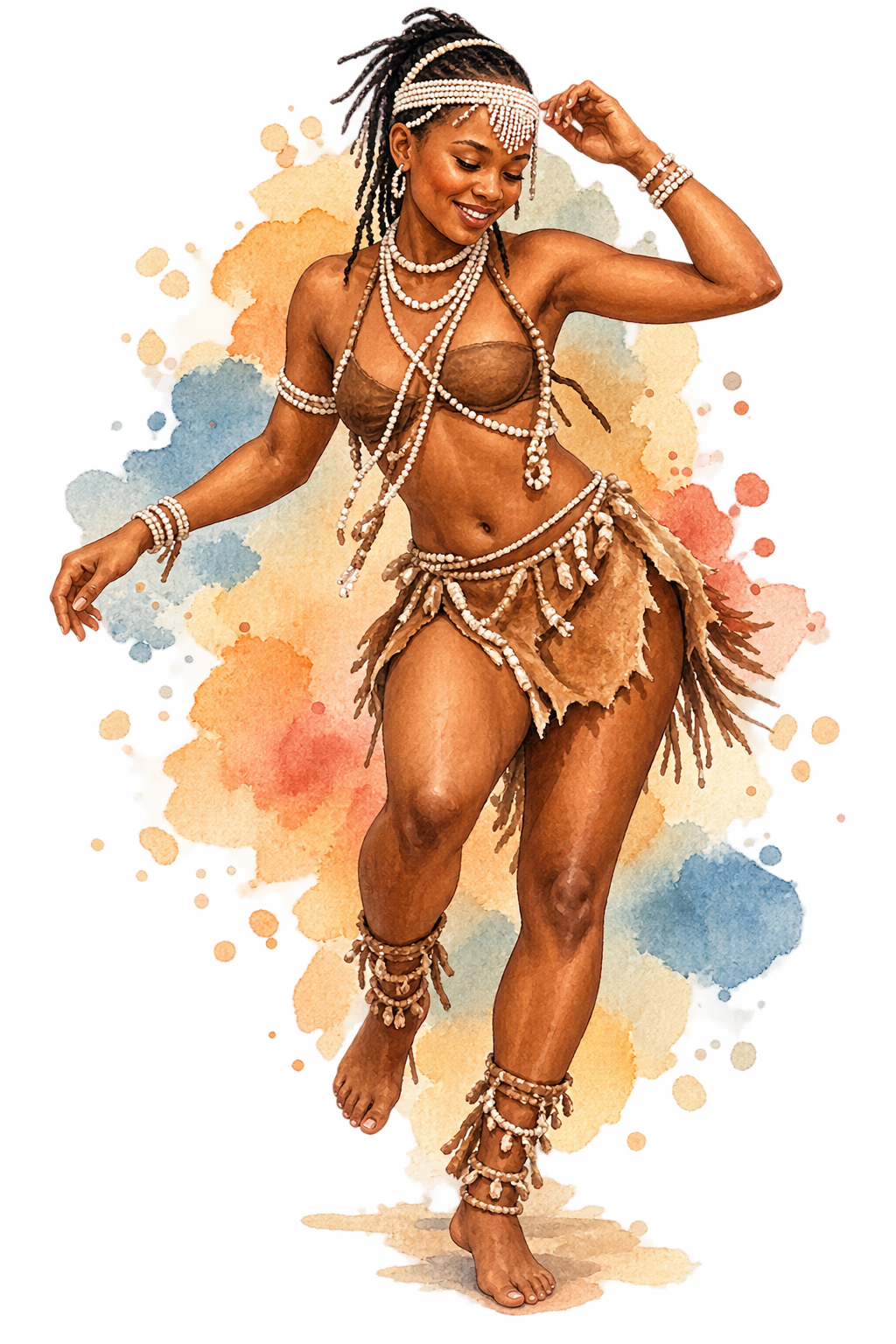
Namibian BaTswana have their own community and land histories within a wider Setswana-speaking southern African world.

Namibians of European descent have varied family histories, languages and understandings of belonging.
Understanding a community means looking beyond a single image, custom or historical description. Contemporary lives belong in the story too.
The 2023 census recorded 49.5% of Namibia's population in urban areas. Cultural identity is relevant to life in towns and cities as well as to rural homes and landscapes.
Language, food, music, dress and family practices can change as people make choices and respond to new circumstances. Individuals within a community need not share the same experiences or outlook.
Community names and inherited labels carry histories. Pay attention to how people describe themselves, and ask permission before taking photographs or entering spaces that are not open to the public.
.png?width=82&height=85&name=Navigate%20Namibia-03%20(1).png "Navigate Namibia")