
Kavango Communities
Kavango is a regional and cultural umbrella for distinct communities along the Kavango/Okavango River and its hinterland. Languages, leadership histories and livelihoods vary within the two Kavango regions and across the river in Angola.
Names and terminology
Kavango communities
- Languages
- Rukwangali; Rumanyo (Rugciriku and Rusambyu varieties); Thimbukushu; other languages
- Geographic associations
- Kavango East and Kavango West; cross-border community connections with Angola; residents elsewhere in Namibia
- Scope of this article
- An umbrella identity with internal diversity
- Communities
- VaKwangali; Mbunza; VaGciriku; VaShambyu; Hambukushu
Overview
Kavango East and Kavango West are administrative regions, not the territories of one homogeneous people. VaKwangali, Mbunza, VaGciriku, VaShambyu and Hambukushu are important community names, alongside other residents and identities. River connections and movement have long crossed the boundary between Namibia and Angola.
Geographic associations
Kavango East and Kavango West; cross-border community connections with Angola; residents elsewhere in Namibia
These associations do not define exclusive territories or the residence of every community member.
Communities, regions and languages
The former Kavango Region was divided into Kavango East and Kavango West in 2013. That administrative change did not create two new ethnic groups. Nor do present regional boundaries fully describe the histories of the communities living there. Government directories recognise several traditional authorities, including Gciriku, Sambyu and Hambukushu in Kavango East.
Rukwangali, Rumanyo and Thimbukushu are important language names. Rumanyo is used as a shared label for closely related Rugciriku and Rusambyu varieties. Community names may appear with different noun prefixes or spellings in different sources: VaGciriku and Gciriku, for example, need not indicate different peoples. Mbunza and Kwangali identities should not be collapsed simply because Rukwangali is spoken in both settings.
The Kavango East 2023 Census profile illustrates the region’s linguistic diversity: 28.4% of households reported Rukwangali as their main home language, 25.7% Rumanyo and 15.1% Thimbukushu. These are household-language figures, not ethnic population shares or measurements of everyone’s ability to speak those languages. Kavango West has its own profile and language distribution.
The river and its hinterland
The river forms part of Namibia’s boundary with Angola, while also connecting families, trade and movement across it. Settlements extend into the hinterland, so describing every Kavango resident as a river-dweller obscures substantial geographical variation. Farming, fishing and livestock keeping feature in regional histories, but their importance differs between households and places.
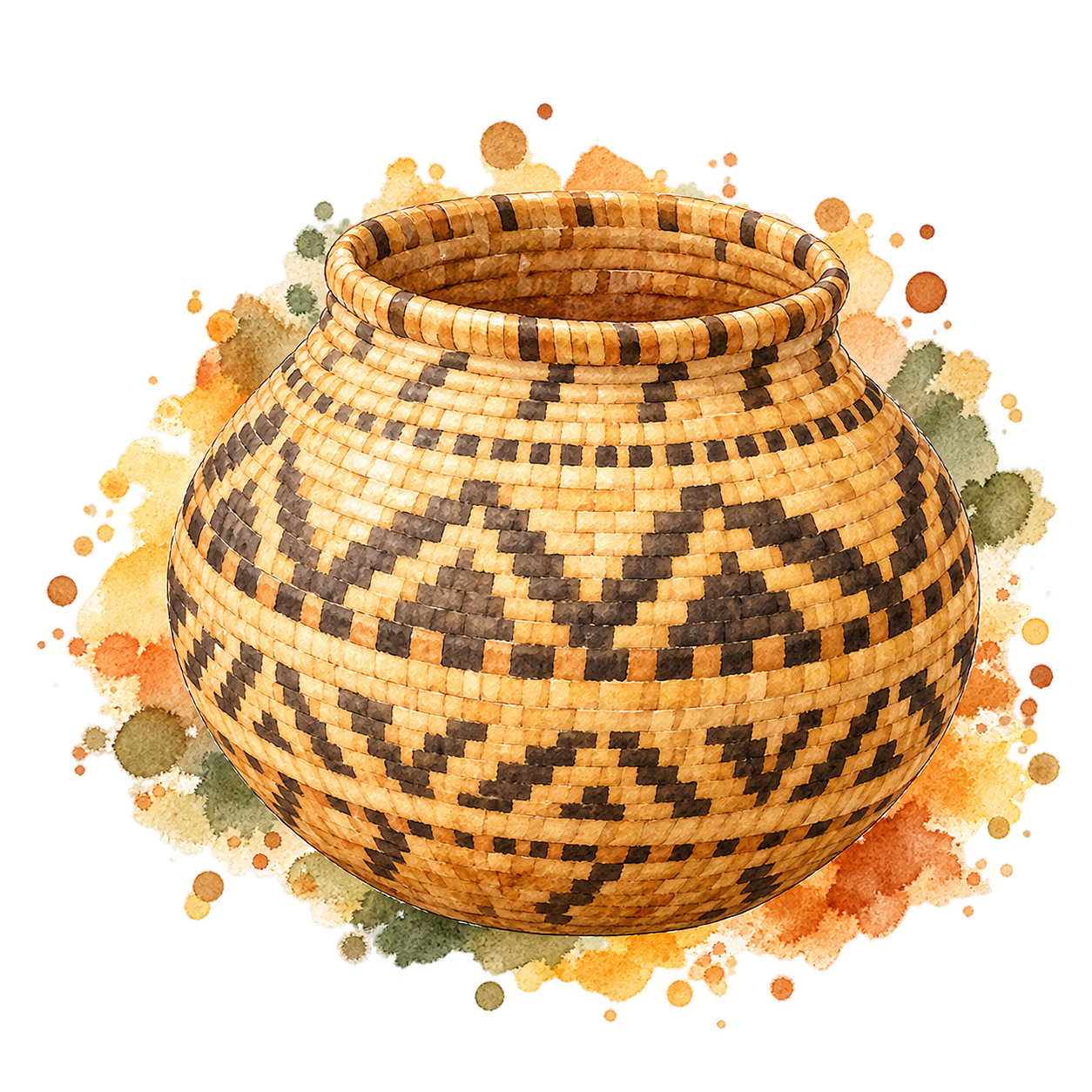
Seasonal water, access to fields and woodland, and the distance to markets and services affect livelihoods. Woodcarving and basketry are visible cultural and commercial activities, but should be attributed to particular makers and workshops rather than presented as occupations of an entire people.
Authority, land and historical memory
The 2020 ancestral-land commission treats Kavango communities separately and records histories of settlement, leadership and land. Its account is useful evidence of the claims and histories presented to the commission; it should not be read as a final determination of every boundary or migration date.
Traditional authorities have statutory responsibilities concerning customary law, community welfare and cultural heritage. They work within Namibia’s constitutional and legal framework. Recognised leadership, a language community and an individual’s cultural identity are related questions, but they are not automatically identical.
Rural and urban life
Rundu and Nkurenkuru are important urban centres in the respective Kavango regions. Census profiles describe both rural and urban populations, housing, education and sources of livelihood. Regional farming and salaried employment coexist; neither represents every resident. Movement between a town, a family home and a workplace elsewhere in Namibia is part of the regional picture.
For understanding a particular community, local-language accounts and community institutions offer detail that a regional summary cannot supply. Language teaching, family histories and cultural work should be approached as ongoing activities, with differences of generation and locality.
Visiting and learning
Use the community and language names offered by your hosts. Ask before entering homes, fishing areas or working fields, and agree photography and guiding arrangements in advance. Purchases from identifiable makers provide a better starting point for learning about craft than anonymous claims about “Kavango culture”.
Sources and review
Sources: Government Gazette 5261, Proclamation 29 of 2013, regional changes; NSA, Kavango East 2023 Census regional profile, household language and livelihood tables; NSA, Kavango West 2023 Census regional profile; Government directory, Kavango East traditional authorities; Commission of Inquiry into Claims of Ancestral Land Rights and Restitution, 2020 report; Traditional Authorities Act 25 of 2000. Reviewed 7 October 2026. Census references describe the 2023 enumeration; later publication dates do not make them 2026 population counts.


.png?width=82&height=85&name=Navigate%20Namibia-03%20(1).png "Navigate Namibia")