


Topnaar / ≠Aonin
The ≠Aonin, commonly called Topnaar, are closely associated with the lower Kuiseb, central Namib and Walvis Bay area. Their histories connect Nama identity and Khoekhoegowab with !nara harvesting, coastal memory and contemporary questions of land and representation.
Names and terminology
Topnaar; ≠Aonin
- Languages
- Khoekhoegowab; multilingual usage
- Geographic associations
- Lower Kuiseb and central Namib, including the Walvis Bay area in Erongo; this entry focuses on the ≠Aonin community
- Scope of this article
- A community and its historical context
- Community representation
- ≠Aonin community association formed in 2021
Overview
This page focuses on the ≠Aonin of the lower Kuiseb and central Namib. Topnaar occurs in historical writing with broader or different geographical applications, including a northern community associated with Sesfontein. The names should therefore be interpreted in their local and historical context rather than assumed always to describe the same population.
Geographic associations
Lower Kuiseb and central Namib, including the Walvis Bay area in Erongo; this entry focuses on the ≠Aonin community
These associations do not define exclusive territories or the residence of every community member.
People, names and landscape
Khoekhoegowab is important to ≠Aonin identity and links the community with a wider Nama cultural world. The character ≠ in ≠Aonin represents a click letter, not punctuation to be discarded. Source spellings vary, so retaining the form used by a community or publication matters when citing it.
The lower Kuiseb provides a distinctive setting within the central Namib. The river is ephemeral: its riparian woodland remains part of the landscape between periods of flow. Coastal places and Walvis Bay also belong in the community’s historical geography. A desert-only description leaves out those connections.
!Nara and knowledge of the desert
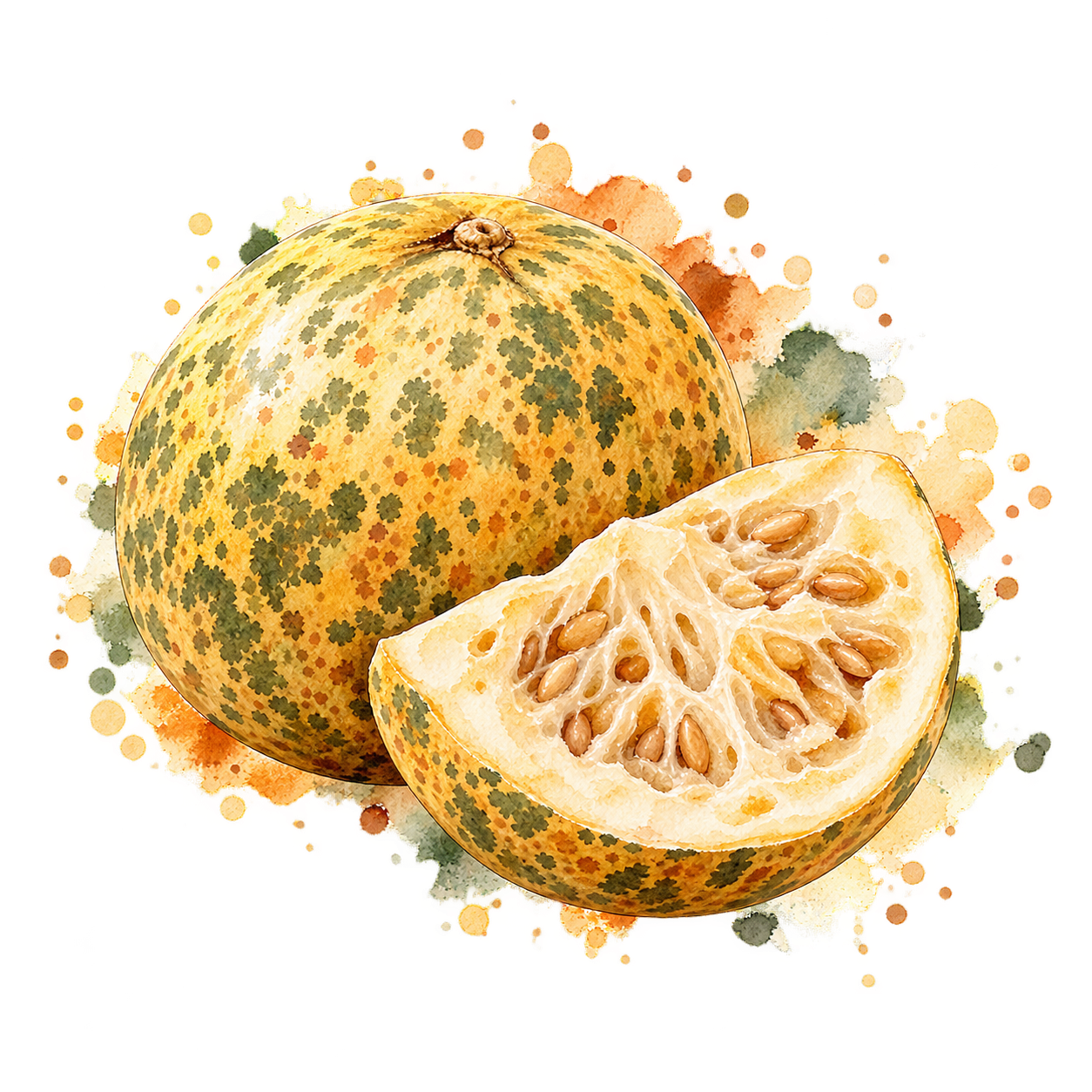
!Nara, Acanthosicyos horridus, is a thorny member of the cucumber family associated with the Namib. Its fruit and seeds are important in accounts of ≠Aonin food and livelihoods. Harvesting and processing involve knowledge of particular plants, places and timing; they are not evidence that a whole community lives exclusively on one food.
A plant-use study based on fieldwork in 1991–92 documented a much wider range of plants used for food, medicine and other purposes. That research is valuable historical evidence, but it is not a survey of every household’s practice today. Knowledge holders should be credited, and documented medicinal use must not be mistaken for established clinical efficacy.
Livestock, employment and other household activities also feature in accounts of life in this landscape. Their relative importance changes. Neither the harvesting season nor a photographed settlement provides a complete picture of contemporary livelihoods.
History, the coast and cultural expression
Historical writing includes oral accounts and records made by outsiders. Precise claims that the community was the first to occupy an entire coast, or that one migration date applies to everyone, require more evidence than a regional summary can provide.
The 2024 stage production ≠Aoni //Aes presented a Topnaar story of coastal life and displacement. Written and directed by Nelago Shilongoh, it drew on community testimony and was presented by the National Theatre of Namibia with UNAM and One Ocean Hub. This is contemporary cultural expression and historical memory, rather than conclusive proof of every event depicted.
Protected areas and community representation
Living within a protected landscape raises questions about access, livelihoods and benefits. NACSO records the formation of the ≠Aonin community association in December 2021 under the park-resident community-association framework. Its elected committee is intended to represent members in matters including tourism, natural-resource use and benefit distribution.
An association is a specific institution, not a replacement for every form of community leadership or proof that all land questions have been resolved. Historical park management plans provide evidence of their planning period; they cannot establish today’s population or number of occupied settlements.
Visiting and learning
Use community-approved arrangements for visits and agree guiding, photography and payment in advance. Do not harvest !nara, disturb processing areas or treat apparently open land as unoccupied. Ask whose knowledge is being shared and whether recording or publishing it is permitted. Local explanations help connect desert ecology with livelihoods, coastal history and contemporary rights.
Sources and review
Sources: Van Damme and Van den Eynden, Topnaar history, Afrika Focus 8, 1992, bibliographic abstract; SANBI, Acanthosicyos horridus species assessment, including edible fruit and seeds; Gobabeb research, Sustainable Nara Management by the Topnaar Community of the Lower Kuiseb Valley; Gobabeb Namib Research Institute, Kuiseb landscape and ≠Aonin connections; Van Damme, Van den Eynden and Vernemmen, Topnaar plant-use study, Afrika Focus 8, 1992, bibliographic abstract; The Namibian, ≠Aoni //Aes stage production, 2024; NACSO, park-resident community associations, ≠Aonin and Kyaramacan. Reviewed 7 October 2026. Census references describe the 2023 enumeration; later publication dates do not make them 2026 population counts.

.png)

.png?width=82&height=85&name=Navigate%20Namibia-03%20(1).png "Navigate Namibia")