

Travel Advice
From visas and road conditions to wildlife, local customs and what to pack, this is the practical side of travelling through Namibia.
Before You Go
The essentials to sort out before your journey begins — from visas and health to weather, packing and customs.
Visas & Entry Requirements
Namibia’s visa rules changed significantly in 2025, so it is important to check what applies to your passport before you travel.
Read more
Travel Insurance & Medical Evacuation
Comprehensive travel insurance is strongly recommended for Namibia, particularly if your journey includes remote areas where emergency treatment or medical evacuation may be costly.
Read more
Health, Vaccinations & Malaria
Namibia is generally straightforward to travel in from a health perspective, but malaria risk varies considerably by region and season, and good preparation is especially important for remote travel.
Read more
Weather & Seasons
Namibia is famously dry, but its weather varies dramatically between the coast, desert, central highlands and the wetter north-east — and sometimes from one year to the next.
Read more
What to Pack
Namibia rewards travellers who pack for contrasts: hot days, cold mornings, dust, strong sun, occasional rain and a coast that often ignores whatever weather the rest of the country is having.
Read more
Customs, Duty & VAT Refunds
Most travellers will pass through Namibian customs without difficulty, but goods above your personal allowance, restricted items and VAT refund claims all need a little more attention.
Read moreMoney & Everyday Practicalities
The everyday details that make travelling easier once you are here.

Money, Cards & Currency
Namibia uses the Namibian Dollar, which is fixed one-to-one with the South African Rand. Cards are widely accepted, but carrying some cash is still sensible, especially outside larger towns.
Read more
Tipping in Namibia
Tipping is common in Namibia’s tourism and hospitality industry, but it is a gesture of appreciation rather than an obligation.
Read more
Opening Hours & Public Holidays
Business hours are fairly conventional in Namibia, but Sundays, public holidays and small-town opening times can require a little more planning.
Read more
Electricity & Plug Types
Namibia uses a 220–240 volt, 50 Hz electricity supply, with the large round three-pin plug still the most common socket type.
Read more
Drinking Water & Water Conservation
Tap water is safe to drink in many parts of Namibia, but water quality and taste vary, and travellers in remote areas should always confirm the local supply.
Read more
Time Zone & Daylight Hours
Namibia uses Central Africa Time, UTC+2, throughout the year and no longer changes its clocks for daylight saving time.
Read moreDriving & Getting Around
Roads, vehicles, fuel, borders and the practicalities of moving through a very large country.
Driving in Namibia
Namibia is one of southern Africa’s great self-drive destinations, but long distances, gravel roads, wildlife and changing road conditions reward patient driving and a little preparation.
Read more
Fuel & Service Stations
Fuel is readily available on Namibia’s main routes, but remote travel rewards one simple habit: if you have the chance to fill the tank, take it.
Read more
Public Transport & Getting Around
Namibia is easy to explore by car, but travellers who prefer not to drive have several options, including scheduled tourism shuttles, buses, taxis, transfers and domestic flights.
Read more
4x4, 2WD & Road Conditions
You do not automatically need a 4x4 to travel Namibia, but the right vehicle depends on your route, the season and how far beyond the main roads you intend to go.
Read more
Border Crossings
Namibia shares land borders with South Africa, Botswana, Zambia and Angola. Crossing by road is usually straightforward, but passports, visas, vehicle documents and border opening times should all be checked before you set off.
Read more
Police, Roadblocks & Fines
Police and traffic checkpoints are a normal part of driving in Namibia. Keep your licence and vehicle documents accessible, follow instructions and deal only with official fines and procedures.
Read moreStaying Connected
What to expect from mobile coverage, SIM cards, Wi-Fi and connectivity while travelling.
Safety & Travelling Confidently
Practical advice to help you travel with awareness rather than unnecessary worry.
Safety & Crime
Most travellers visit Namibia without serious problems, but theft, scams and robbery do occur, particularly in urban areas. Normal awareness and a few sensible precautions go a long way.
Read more
Women Travellers
Women travel independently throughout Namibia, but solo travellers should take particular care with transport, nightlife and walking alone after dark.
Read more
LGBTQ+ Travellers
LGBTQ+ travellers visit Namibia without difficulty, but social attitudes vary and the legal position surrounding same-sex relationships has changed considerably in recent years.
Read moreCulture & Everyday Namibia
The people, food, customs and everyday experiences that give Namibia its character.
Culture & Etiquette
Namibia is culturally diverse, generally informal and warmly hospitable. A simple greeting, a little patience and genuine curiosity will take you a long way.
Read more
Food & Dining
Namibian food reflects the country itself: many cultures, a strong love of meat, regional staples, German influences and an increasing range of modern restaurants and plant-based options.
Read more
Alcohol & Drinking
Namibia has a relaxed drinking culture, but alcohol sales are regulated and the rules differ between bottle stores, supermarkets, restaurants, bars and accommodation establishments.
Read more
Crafts & Souvenirs
Namibia has a rich tradition of basketry, carving, jewellery, textiles and contemporary art. Buying locally made work is one of the easiest ways to take something meaningful home while supporting the people who made it.
Read more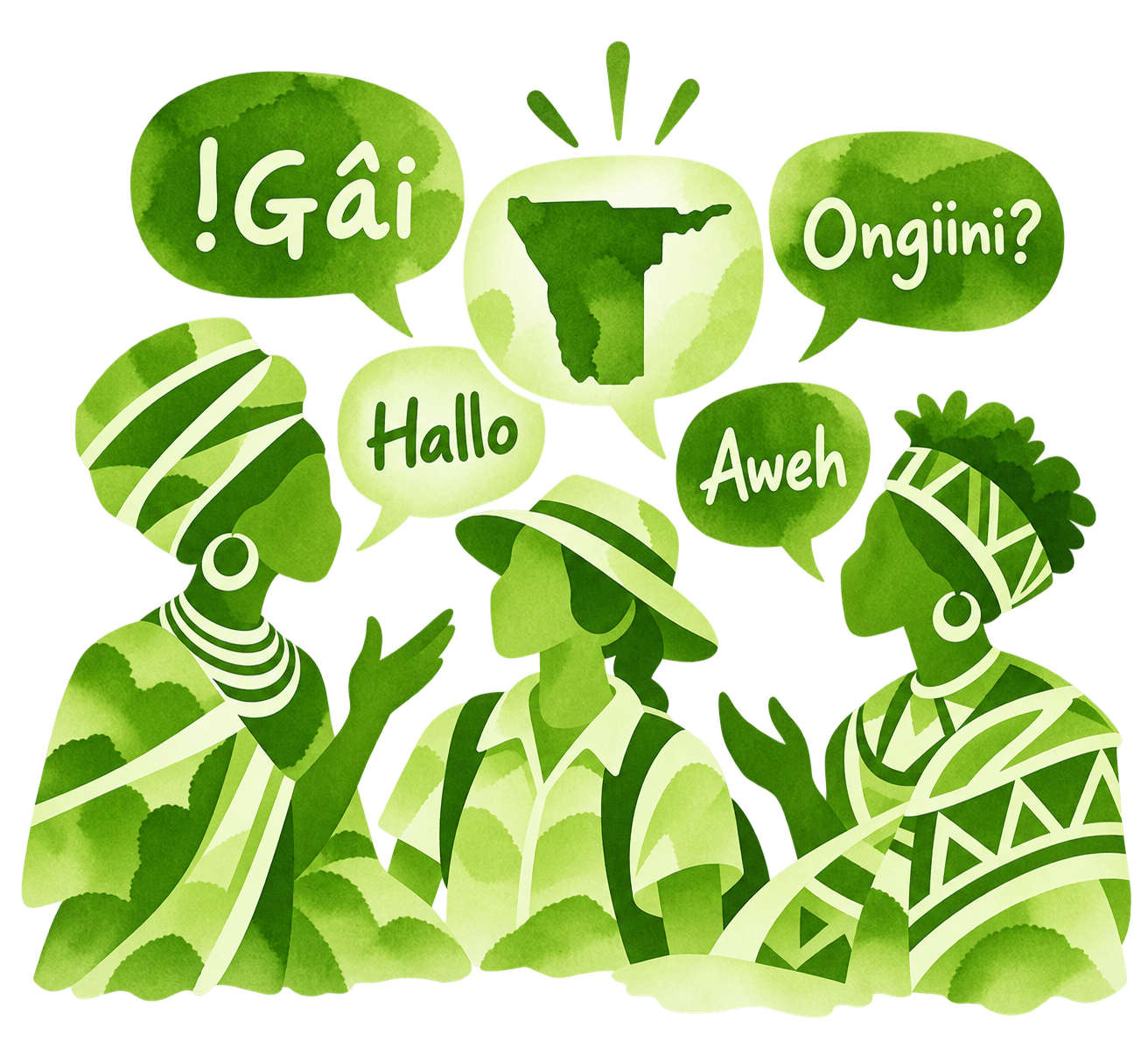
Languages in Namibia
Explore Namibia’s languages, everyday expressions and useful local phrases.
Read moreWildlife & Outdoors
How to enjoy Namibia’s parks, wildlife and wilderness responsibly and safely.
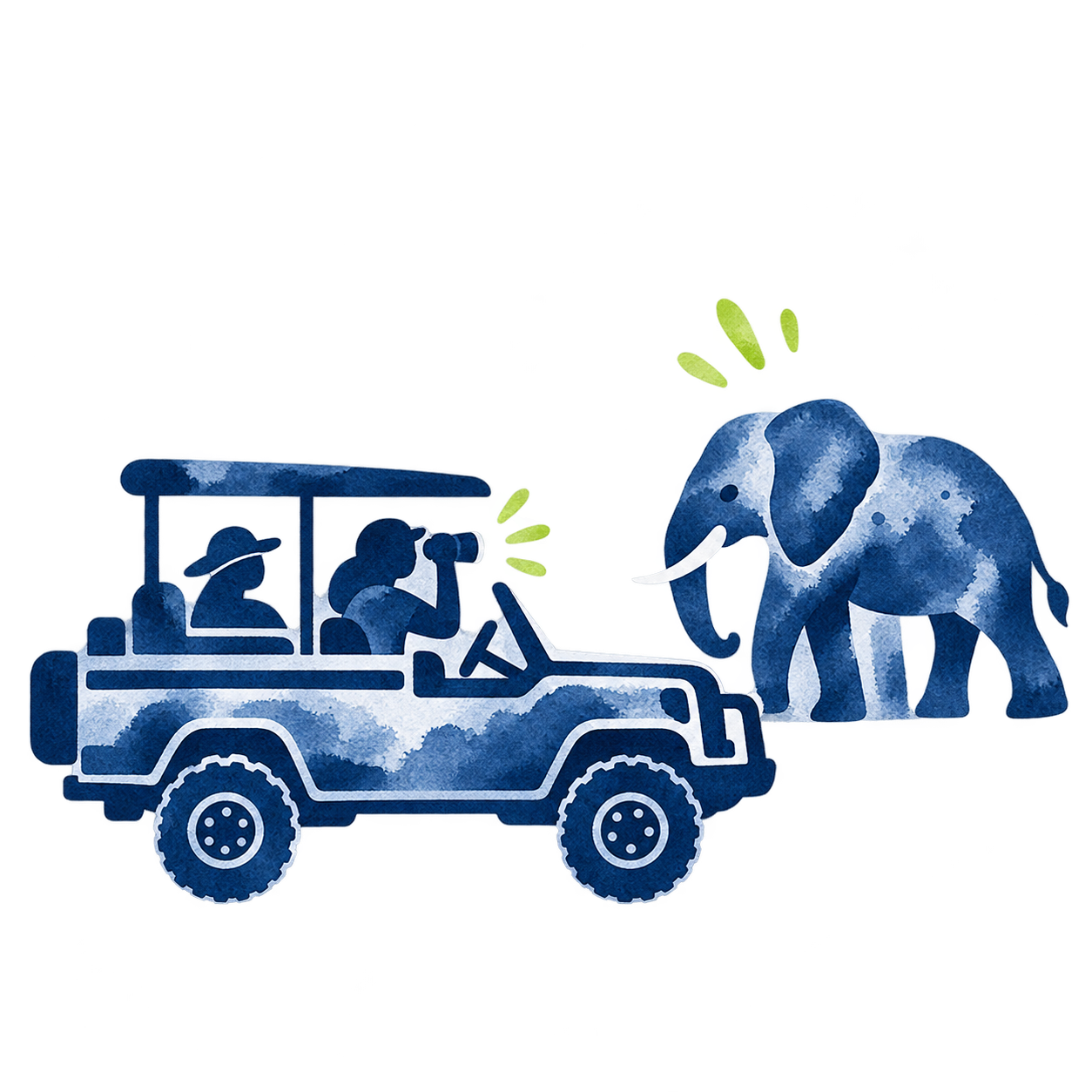
Game Drives & Responsible Wildlife Viewing
Good wildlife viewing is mostly about patience. Drive slowly, give animals space, keep noise down and remember that the best sighting is one that does not change the animal’s behaviour.
Read more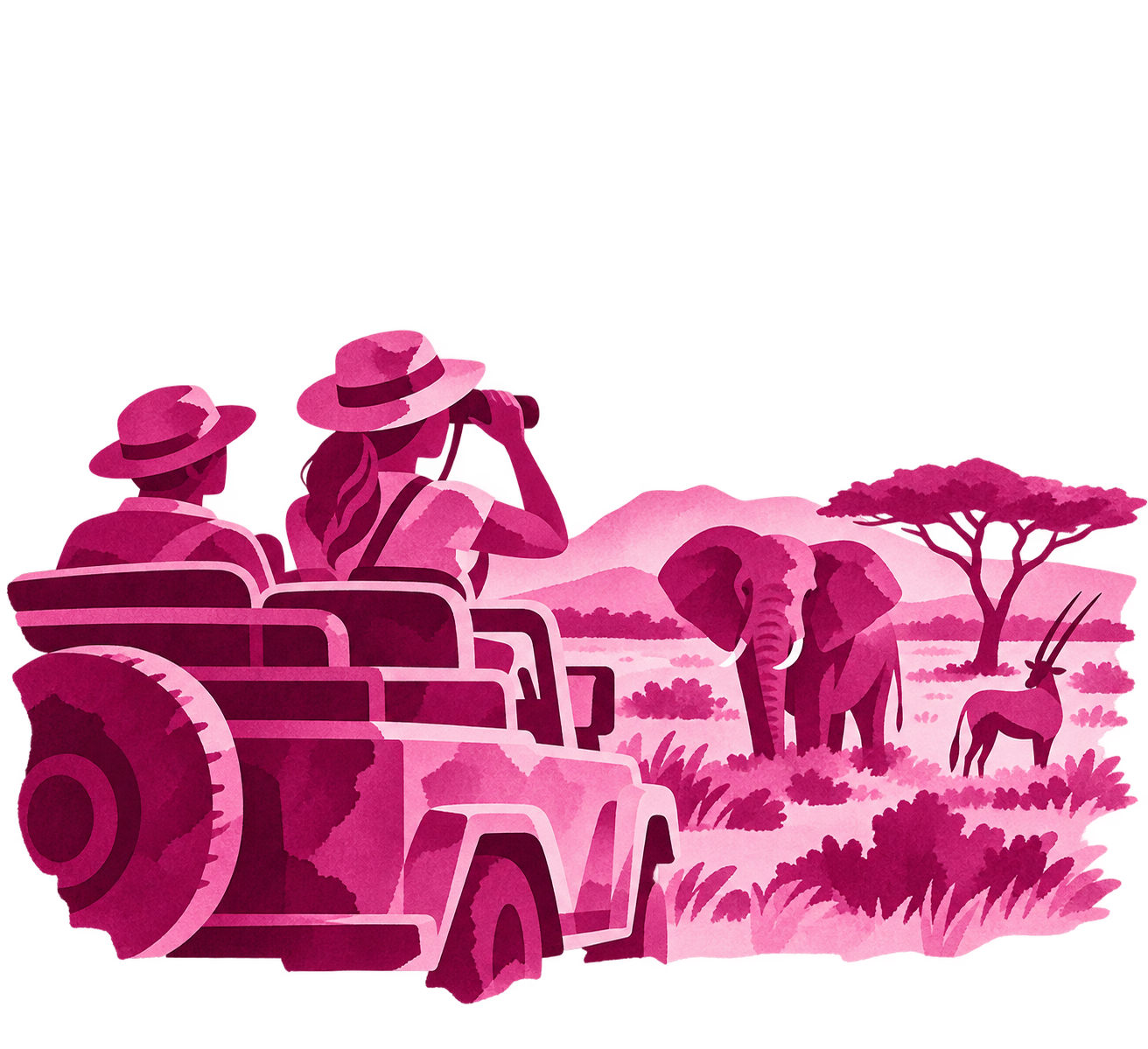
Wildlife Safety & Responsible Encounters
Namibia’s wildlife is one of its greatest attractions, but wild animals remain wild. Keep your distance, follow local instructions and never confuse familiarity with safety.
Read more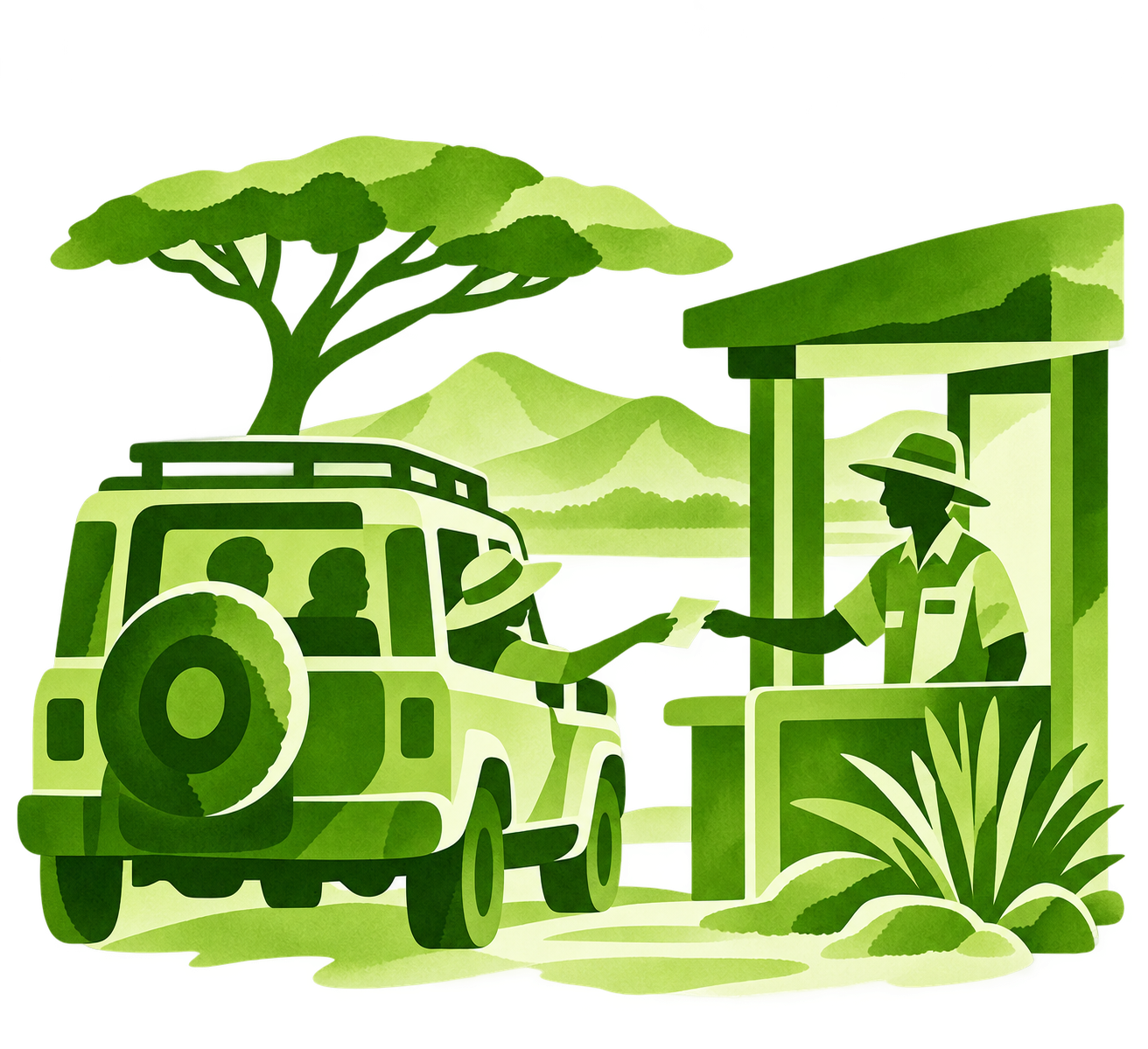
National Parks: Rules, Permits & Practicalities
Namibia’s national parks are generally straightforward to visit, but permits, vehicle rules and access requirements differ between parks, so it is worth checking the details before arrival.
Read more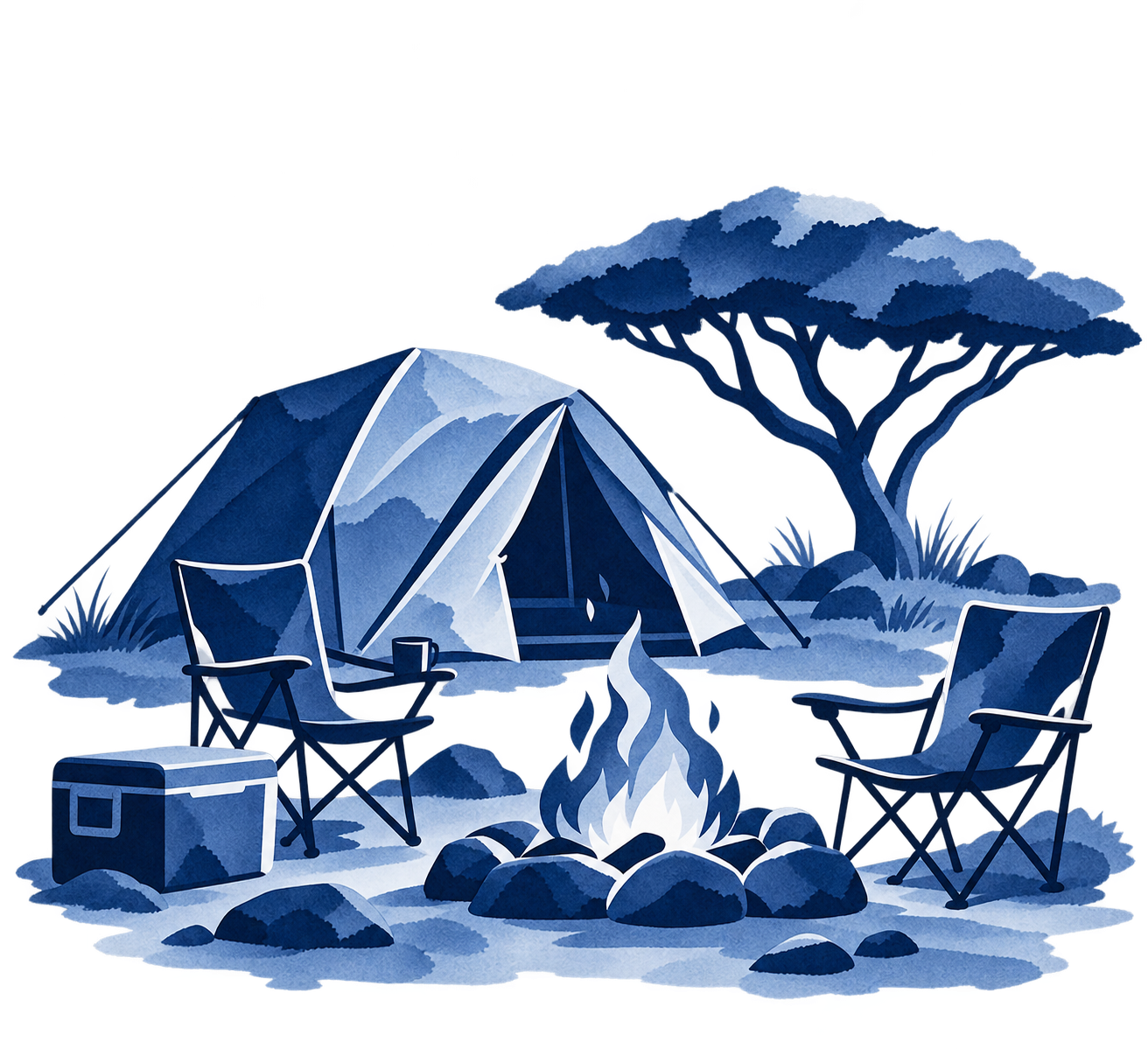
Camping in Namibia
Camping is one of the best ways to experience Namibia, but facilities range from fully serviced campsites to remote wilderness sites where you must be completely self-sufficient.
Read more
Photography & Drones
Namibia is extraordinarily photogenic, but photographing people, protected areas and wildlife requires respect — and flying a drone is subject to much stricter rules than carrying a camera.
Read more.png?width=82&height=85&name=Navigate%20Namibia-03%20(1).png "Navigate Namibia")