

Culture & Etiquette
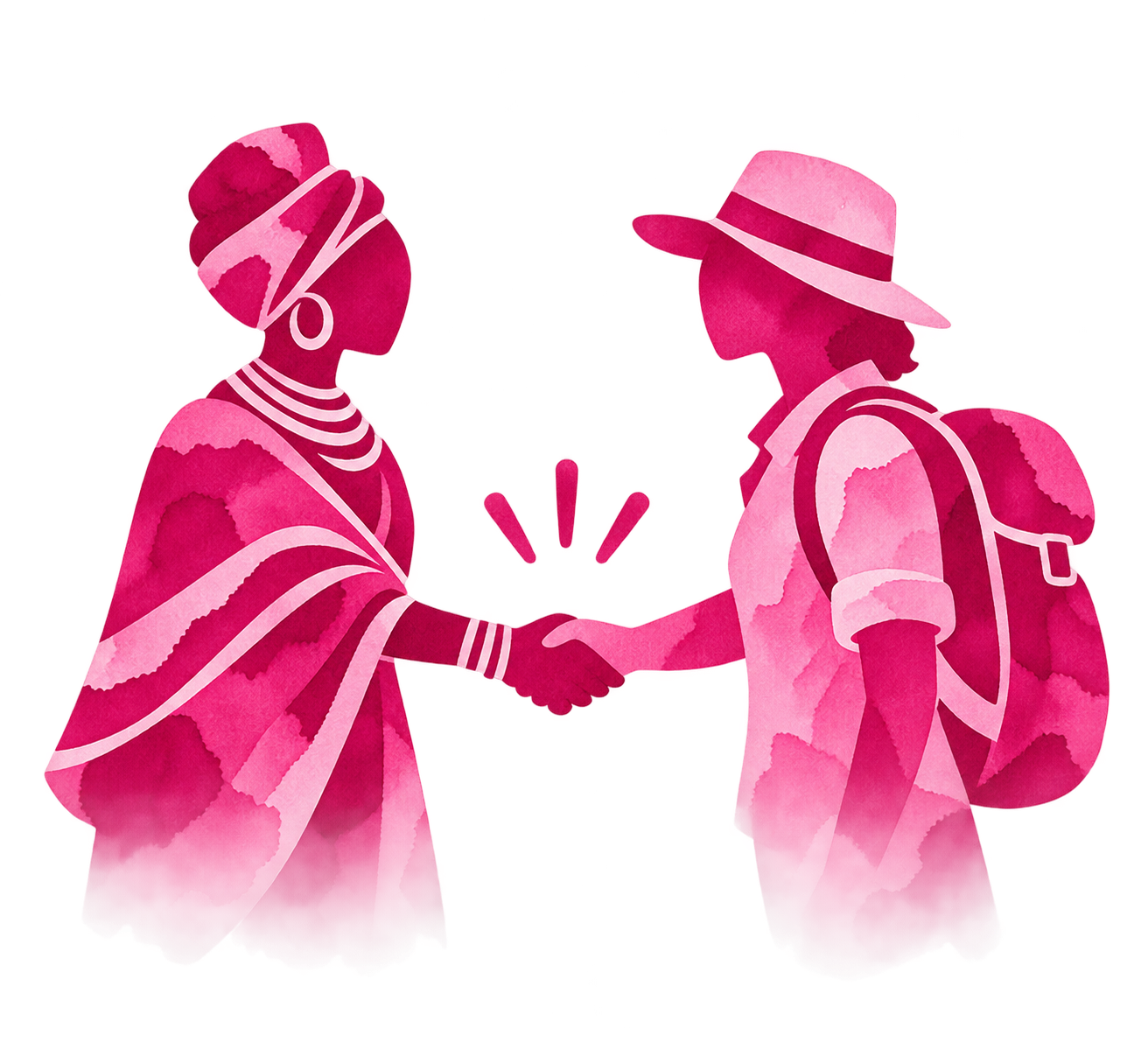
Namibia is culturally diverse, generally informal and warmly hospitable. A simple greeting, a little patience and genuine curiosity will take you a long way.
Namibia is not one culture.
It is a country of many languages, communities, histories and traditions, and that diversity is part of what makes travelling here so rewarding.
You do not need to memorise a complicated rulebook before visiting. Namibia is generally relaxed, people are accustomed to visitors and most small mistakes will be forgiven very quickly if they are made with good intentions.
Say hello first
If there is one piece of old Namibian.org advice worth keeping almost exactly as it was, it is this: greet people.
A friendly “hello”, “good morning” or “good afternoon” before launching into a question is simply good manners in Namibia.
In many communities, greeting someone properly before asking for directions, ordering something or starting a conversation matters more than travellers sometimes realise.
You do not have to shake hands with every person in the country, but acknowledging people goes a long way.
Dress is generally informal
Namibia is a relaxed country when it comes to everyday dress.
Shorts, T-shirts, sandals and other casual clothing are completely normal in most tourism settings, and even many restaurants and lodges are informal.
If you are attending a formal event, visiting a religious service or entering a particularly traditional community setting, slightly more conservative dress may be appropriate.
When in doubt, look at what people around you are doing.
Be polite with officials
The original Namibian.org advice was right about this too: remaining calm and polite is generally much more effective than becoming confrontational.
If you are dealing with immigration, customs, police, park officials or another authority and do not understand what is required, ask for clarification.
Being frustrated does not normally make bureaucracy move faster. This may be one of the few truly universal cultural principles.
Photography and people
Do not assume that somebody’s clothing, home or way of life makes them part of the scenery.
Ask before photographing people at close range, particularly in rural or traditional communities.
Some people will be perfectly happy to be photographed, others will not, and in some tourism settings photography may form part of a paid cultural experience.
A camera does not remove the need for ordinary courtesy.
Cultural visits
Community-based tourism projects and living museums can provide a meaningful introduction to Namibia’s different cultural traditions when they are operated respectfully and benefit the communities involved.
Good cultural tourism should feel like an exchange rather than an exhibition.
Listen, ask questions and allow your hosts to explain their own traditions rather than arriving with a fixed idea of what “authentic Namibia” is supposed to look like.
Tradition and modern life exist together
Visitors sometimes make the mistake of dividing Namibia into “traditional people” and “modern people”.
Real life is considerably more interesting than that.
Someone may wear traditional dress for a cultural occasion and business clothes at work. A rural household may use long-established farming practices while everybody in it has a smartphone.
Tradition is not the opposite of modernity.
Festivals and commemorations
Namibia has a wide range of cultural festivals, commemorations, carnivals and community events throughout the year.
These include long-established events linked to local communities and histories as well as newer national commemorations.
Dates and formats can change, so if a particular festival is central to your trip, confirm the current programme before travelling rather than relying on an old calendar.
Religion
Namibia is a secular state with constitutional protection for freedom of religion.
Christianity is the largest religious tradition, but other faiths are also practised, and traditional belief systems remain important in parts of the country.
Visitors are generally welcomed at religious and community events where attendance is appropriate, but treat places of worship and ceremonies with the same respect you would expect at home.
Language helps
English is Namibia’s official language, but everyday life is multilingual.
A few words of Oshiwambo, Khoekhoegowab, Otjiherero, Rukwangali, Afrikaans or another local language can completely change an interaction.
You do not need perfect pronunciation. The effort itself is usually appreciated.
Our Languages in Namibia guide includes useful expressions and a little of the wonderfully distinctive Namibian English known as Namlish.
The useful rule
Be interested without treating people as curiosities, be polite without becoming stiff, and ask when you are unsure.
Namibians are generally very good at recognising the difference between somebody who does not know a custom and somebody who simply does not care.
.png?width=82&height=85&name=Navigate%20Namibia-03%20(1).png "Navigate Namibia")