
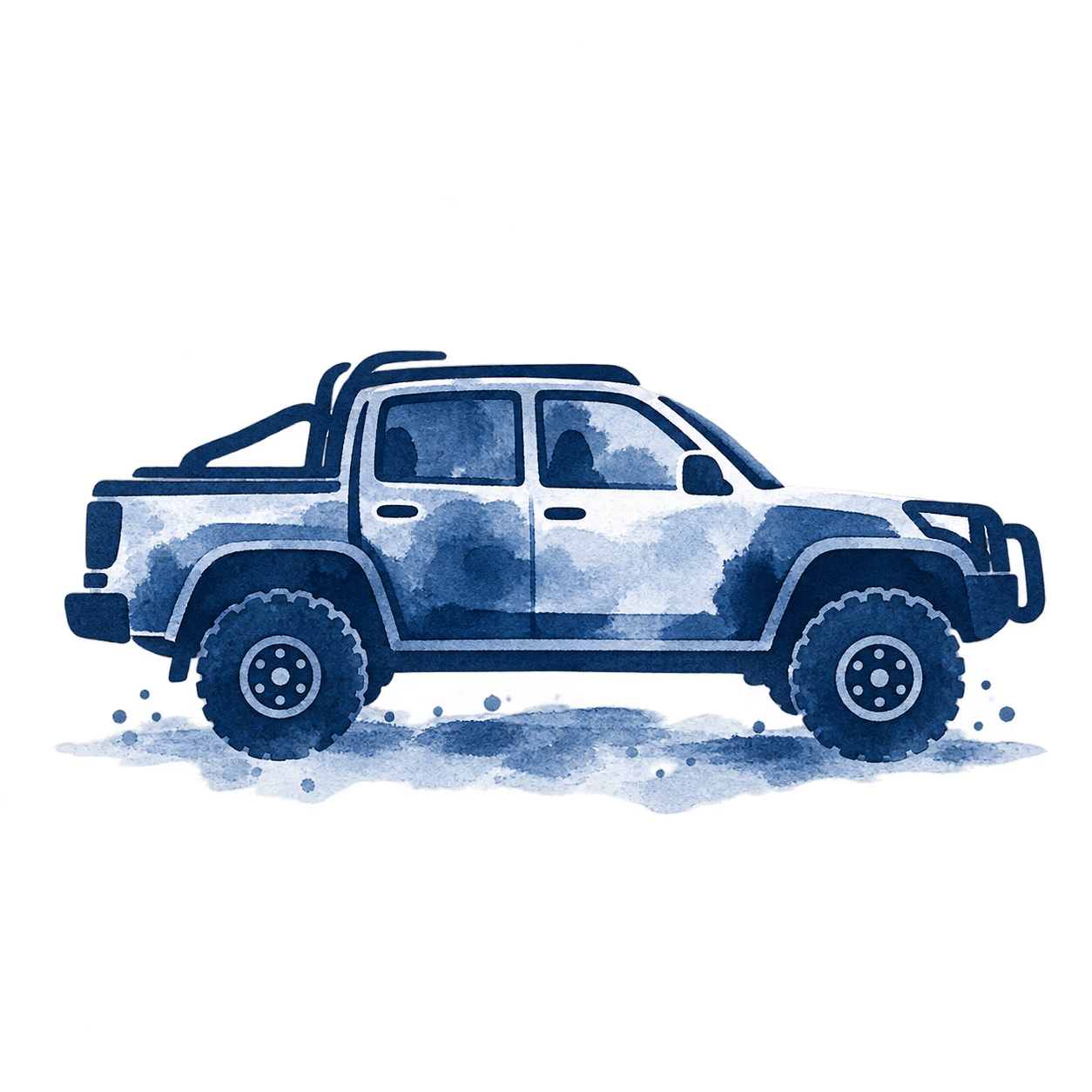
Bakkie
A pickup truck or utility vehicle. In Namibia, the bakkie is equally at home on a farm, a gravel road, outside a supermarket or packed for a weekend away.
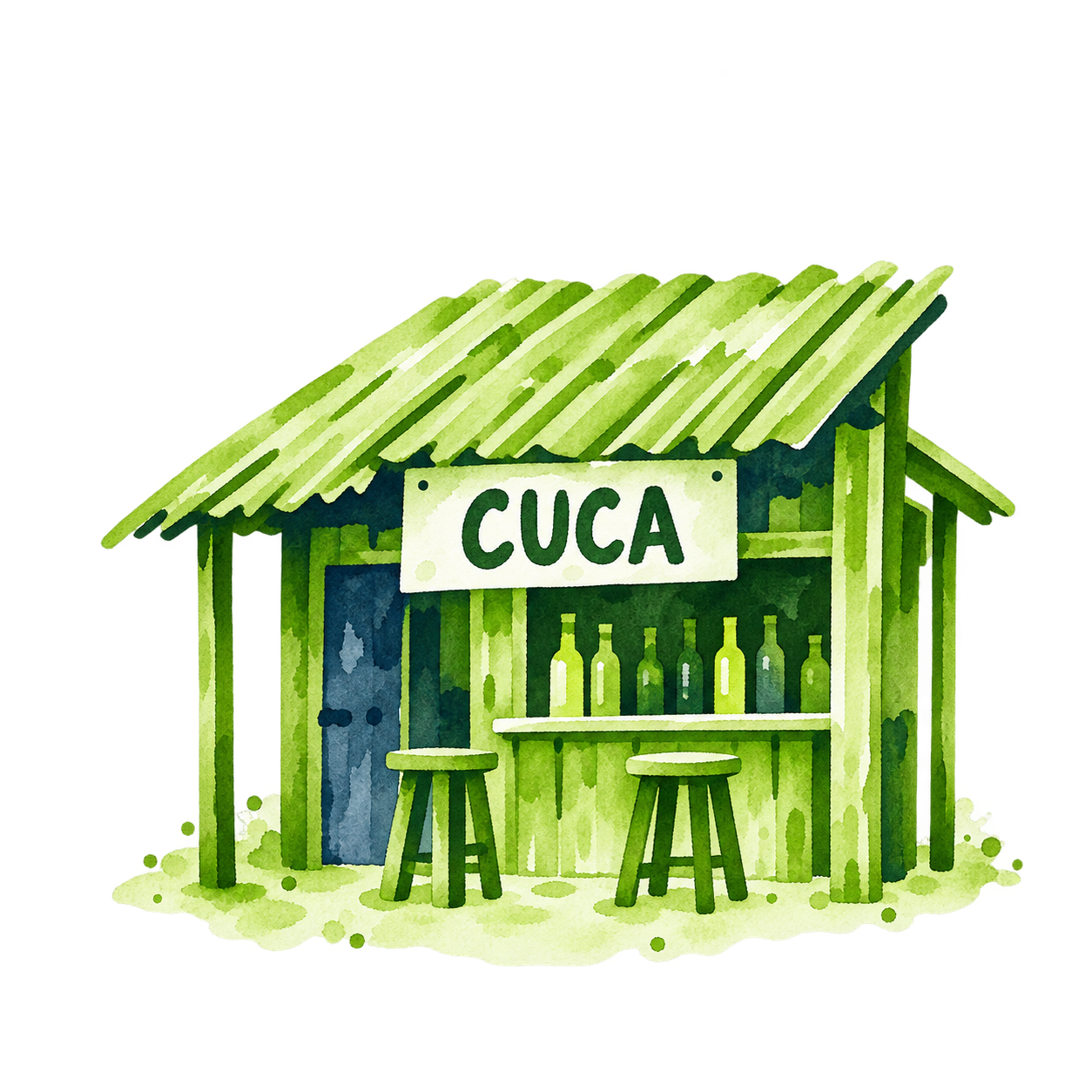
Cuca Shop
A small bar or liquor outlet characteristic of northern Namibia. The name is historically linked to Cuca beer from neighbouring Angola.
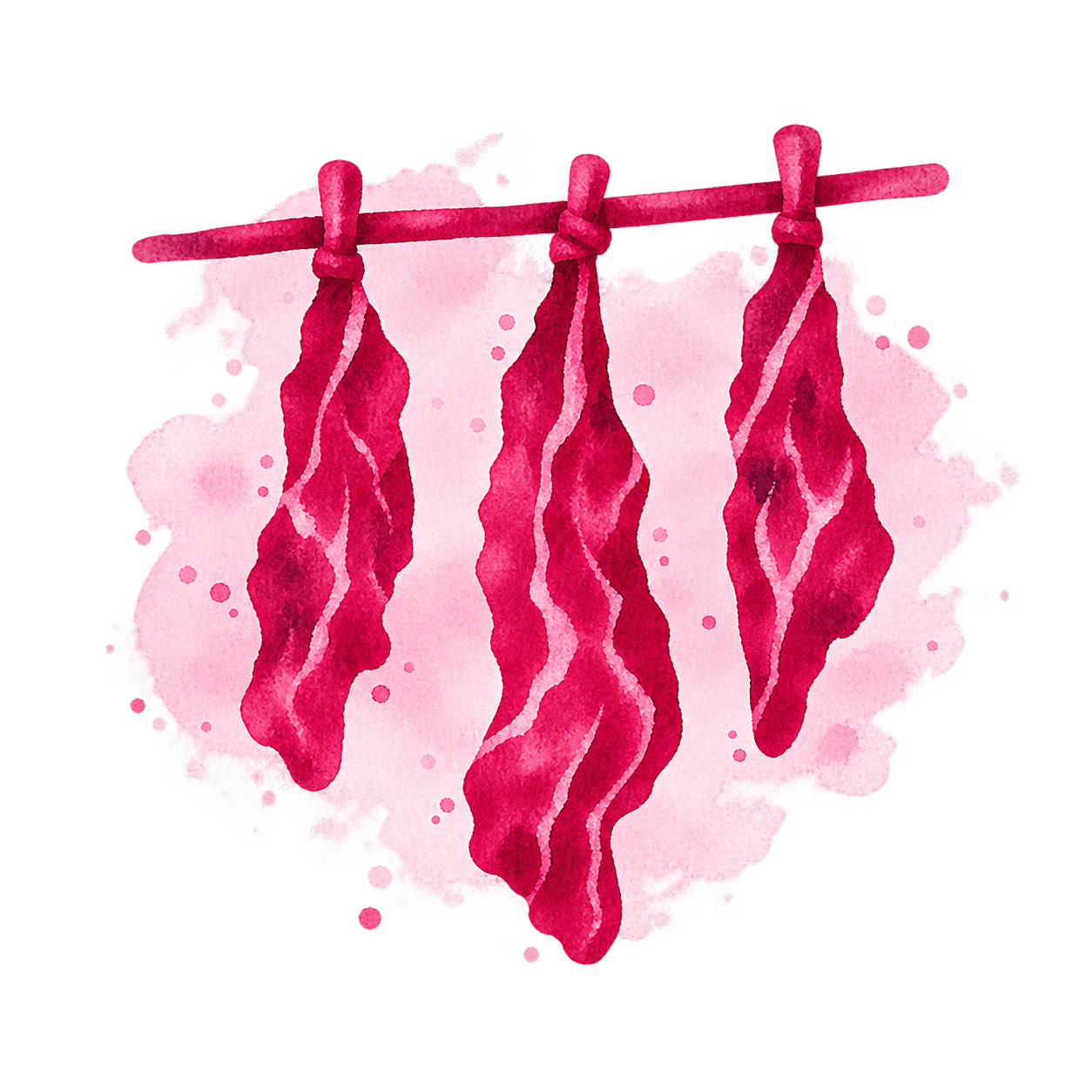
Biltong
Air-dried, seasoned meat and a Namibian road-trip staple. Calling it jerky explains the idea, but may start an unnecessary debate.
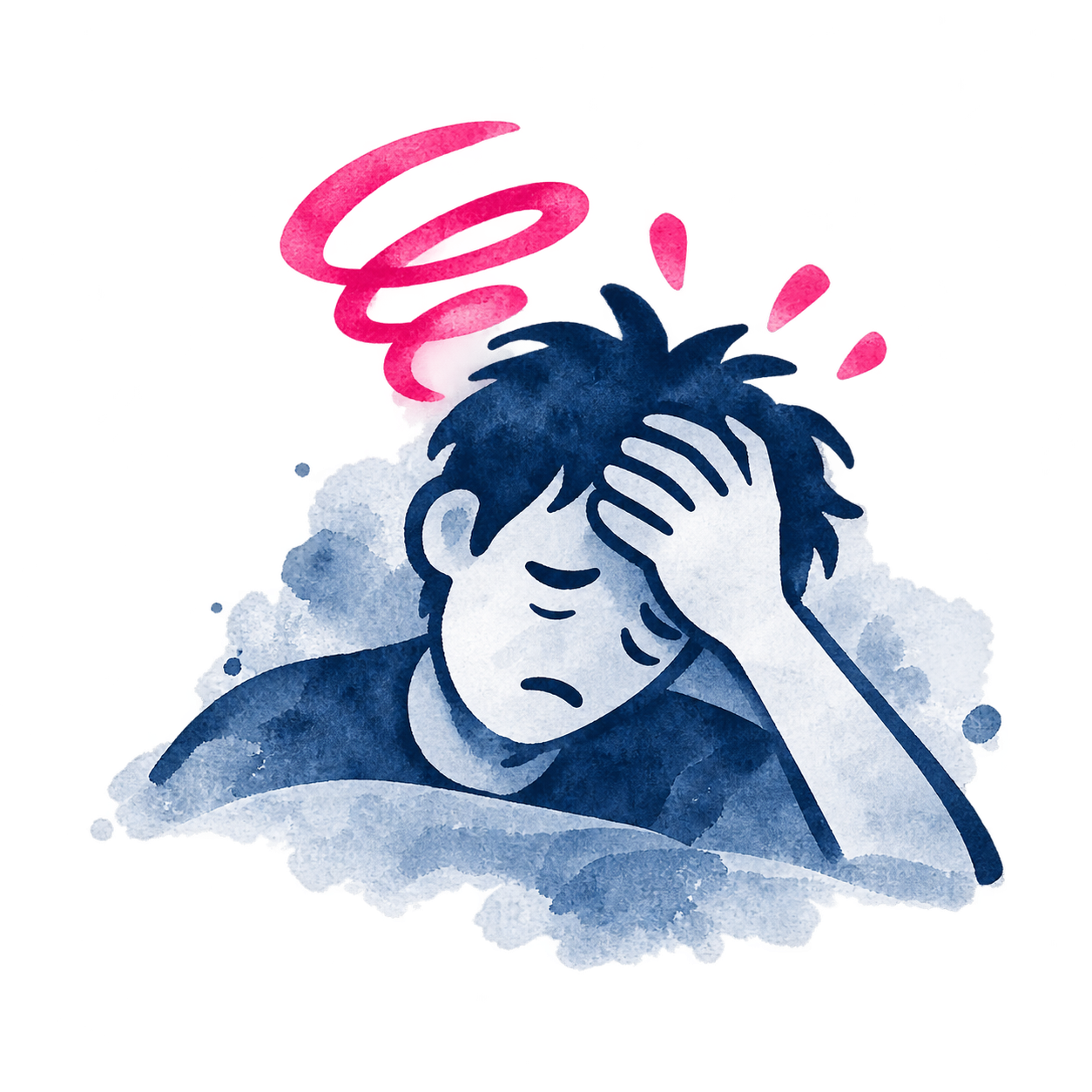
Babbalas
A hangover — the morning-after consequence of a night that seemed like a much better idea at the time. You may also hear babelas or babbelas.
Dankie
Afrikaans for “thank you”. It is widely understood in Namibia and one of the easiest local words for visitors to use.
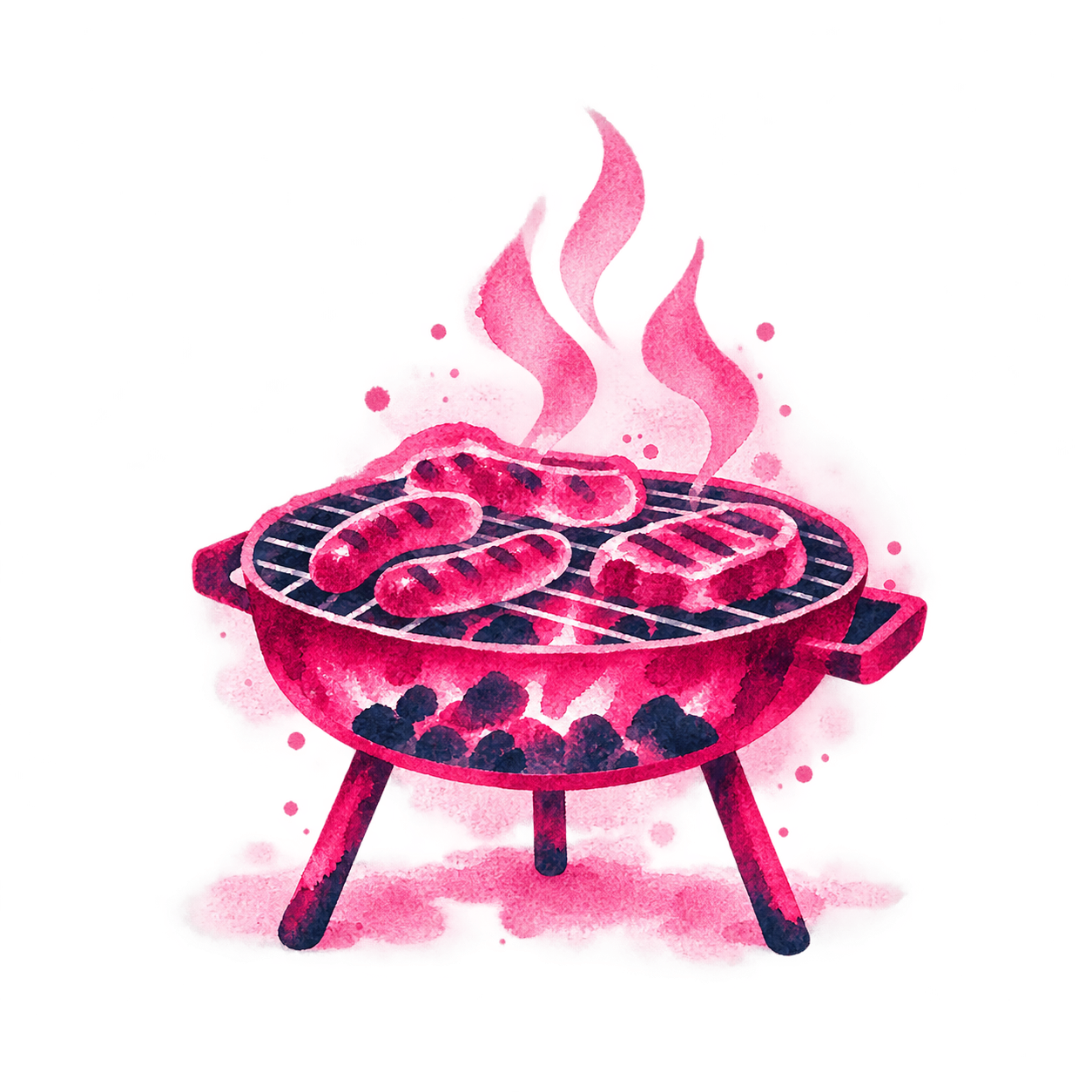
Braai
Cooking over an open fire, but also the social occasion built around it. A braai is an evening plan, a gathering and often an activity that takes longer than expected.
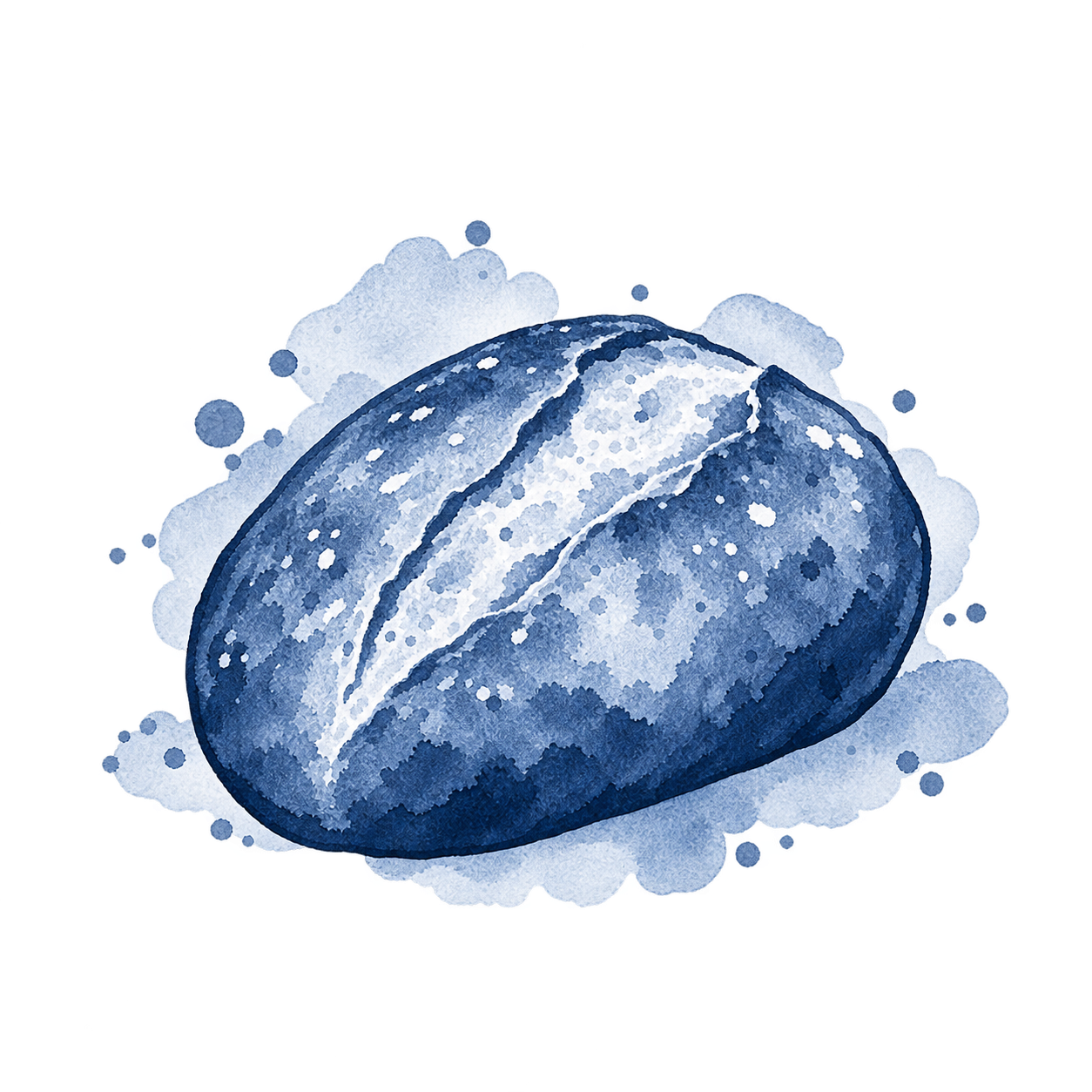
Brötchen
A crusty bread roll with a chewy crust and soft interior. Namibia’s German baking tradition keeps Brötchen firmly embedded in everyday life and road-trip food.
Ntja / Nxa
A stamp of approval. Something can be ntja or nxa when it is excellent, impressive or exactly right — roughly, “That’s the one.”

Koppie
A small hill or rocky rise standing above the surrounding landscape. In a country of enormous horizons, even modest elevation tends to earn a name.
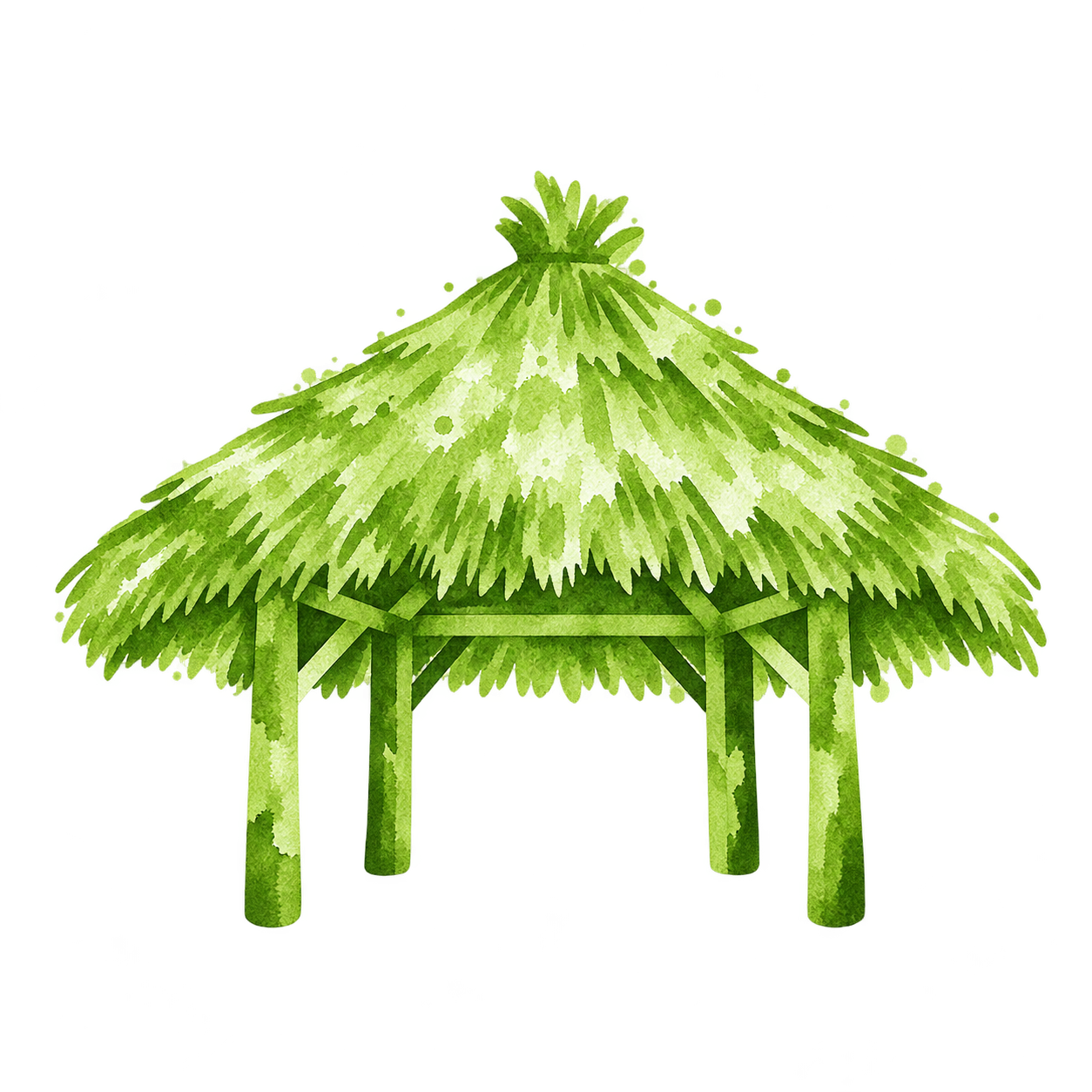
Lapa
A thatched, usually open-sided outdoor structure used for sitting, eating and entertaining — often with a braai nearby.
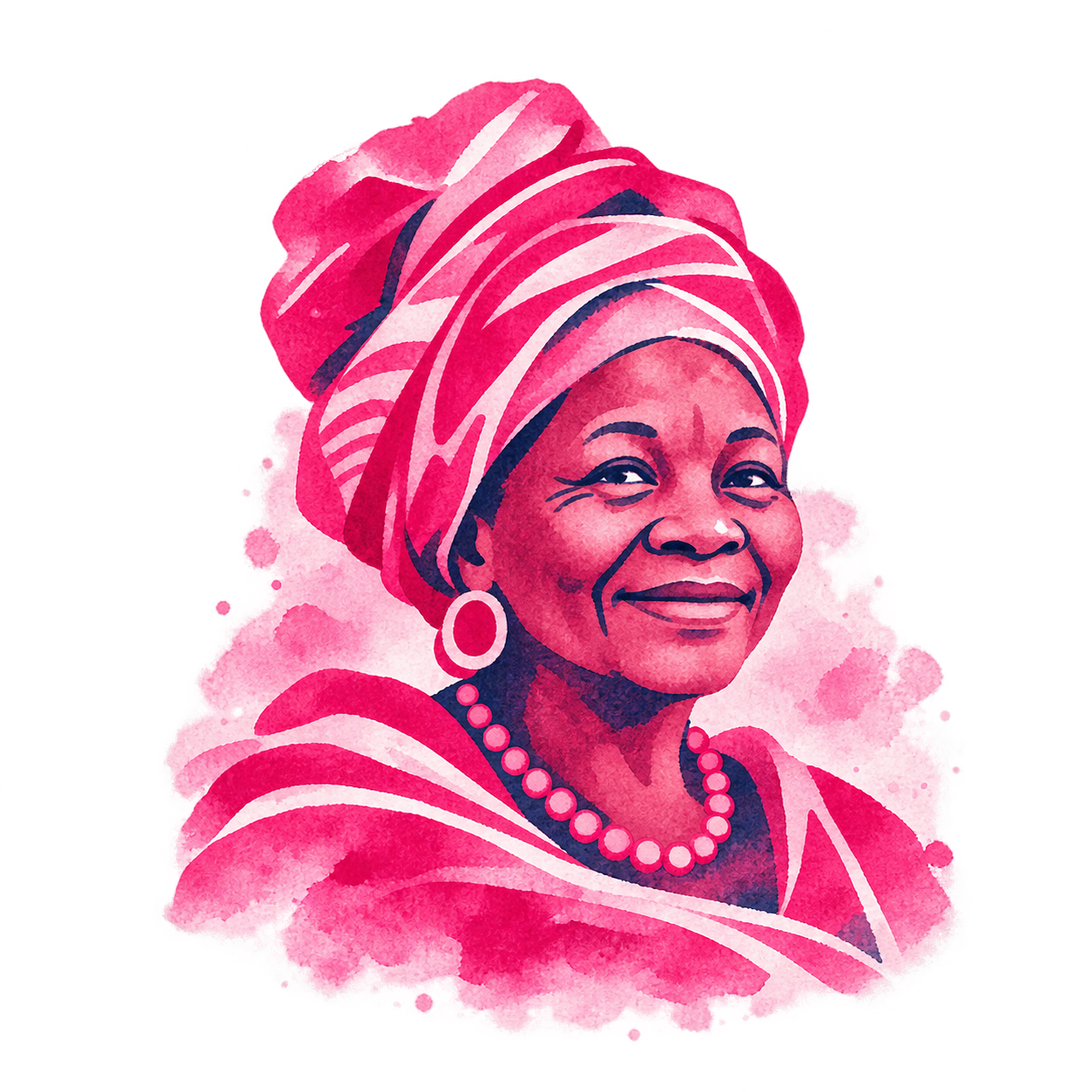
Meme
A respectful Oshiwambo form of address for an adult woman, as well as a word associated with mothers and maternal figures. It conveys respect, not simply age.
Nawa
Good, fine, nice or all right. The word appears in several Namibian languages and has travelled comfortably into everyday speech.
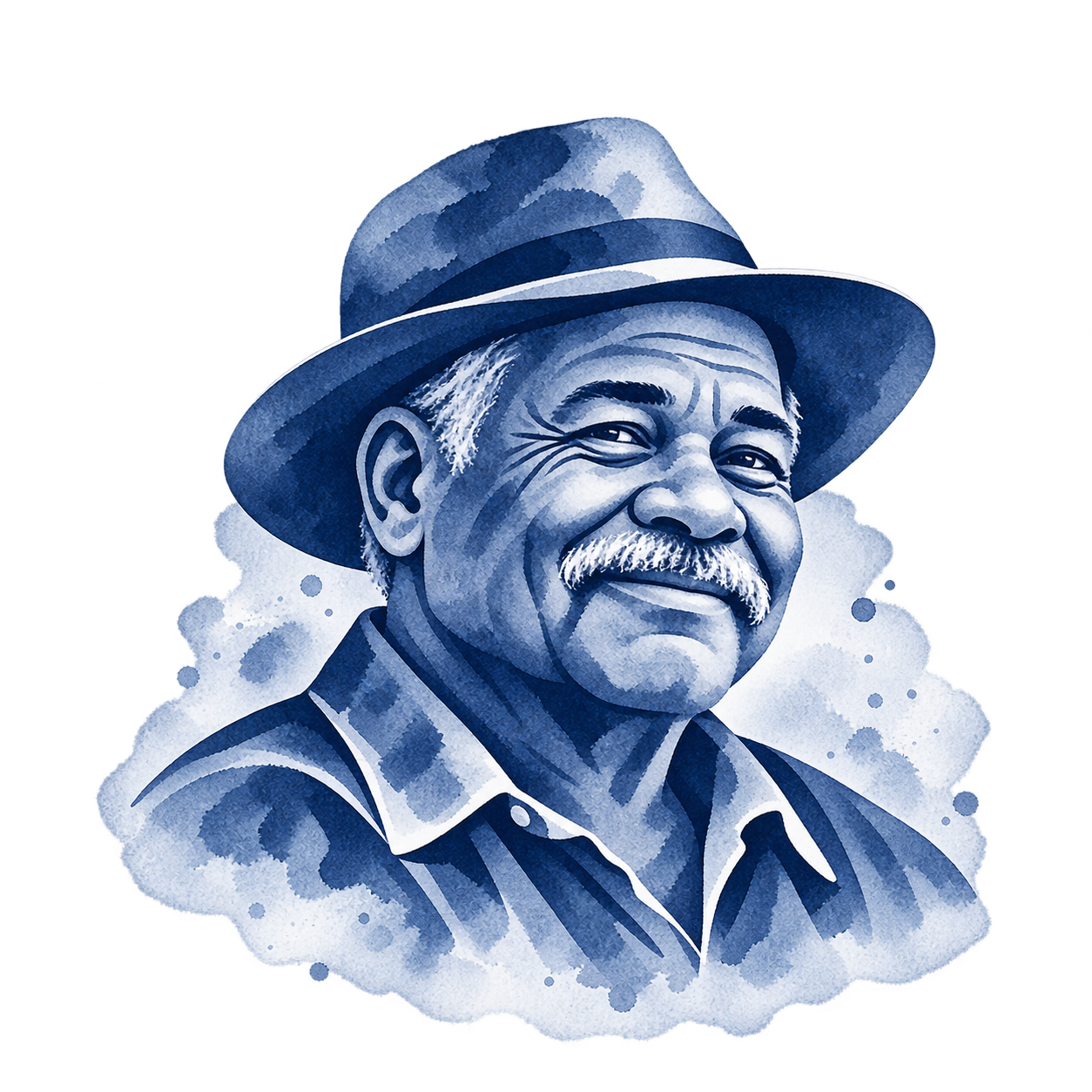
Oom
Afrikaans for “uncle”, also traditionally used as a respectful or familiar way of addressing an older man. Context and generation matter.
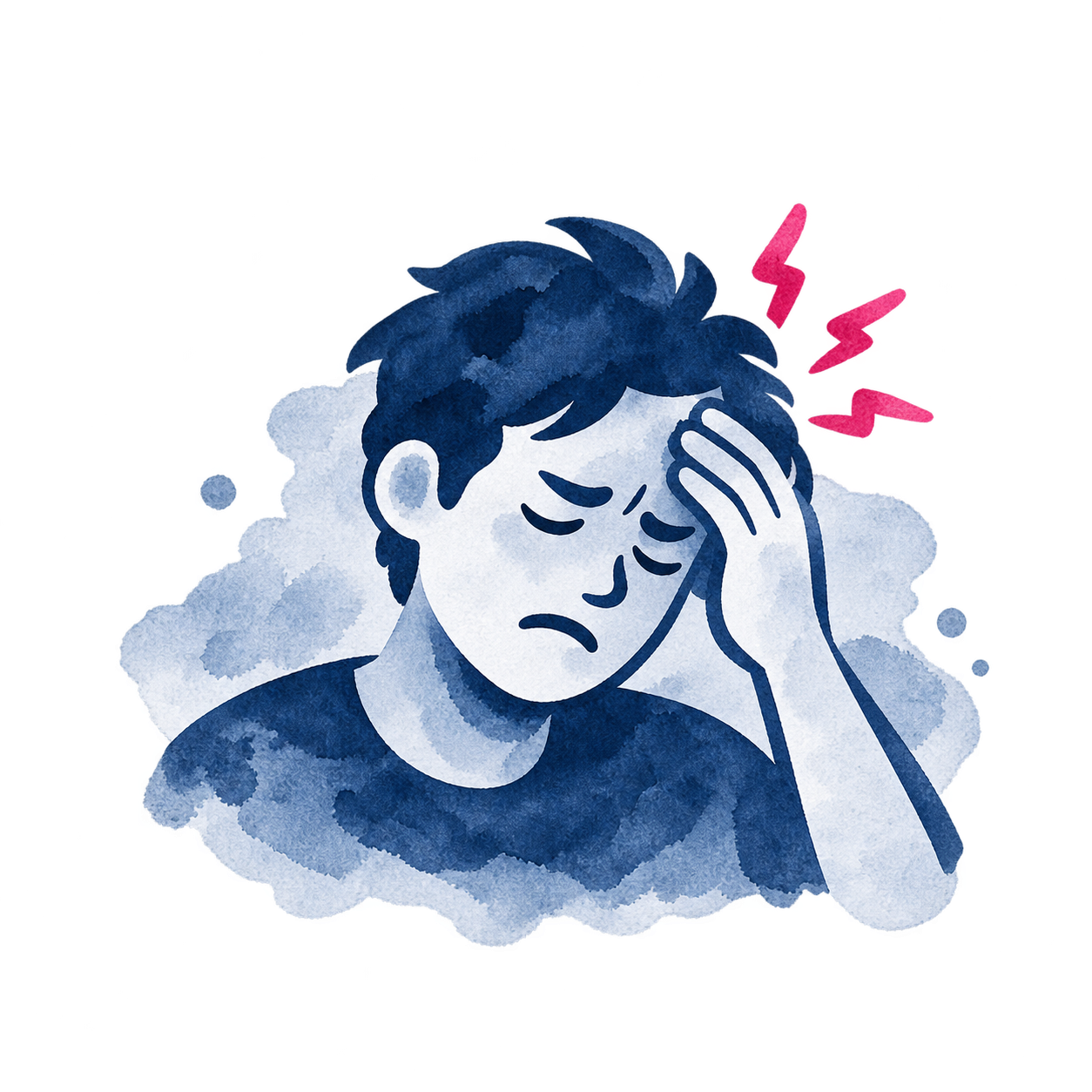
Paining
In standard English something usually “hurts”; in Namlish it may simply be “paining”. “My head is paining” is perfectly understandable.
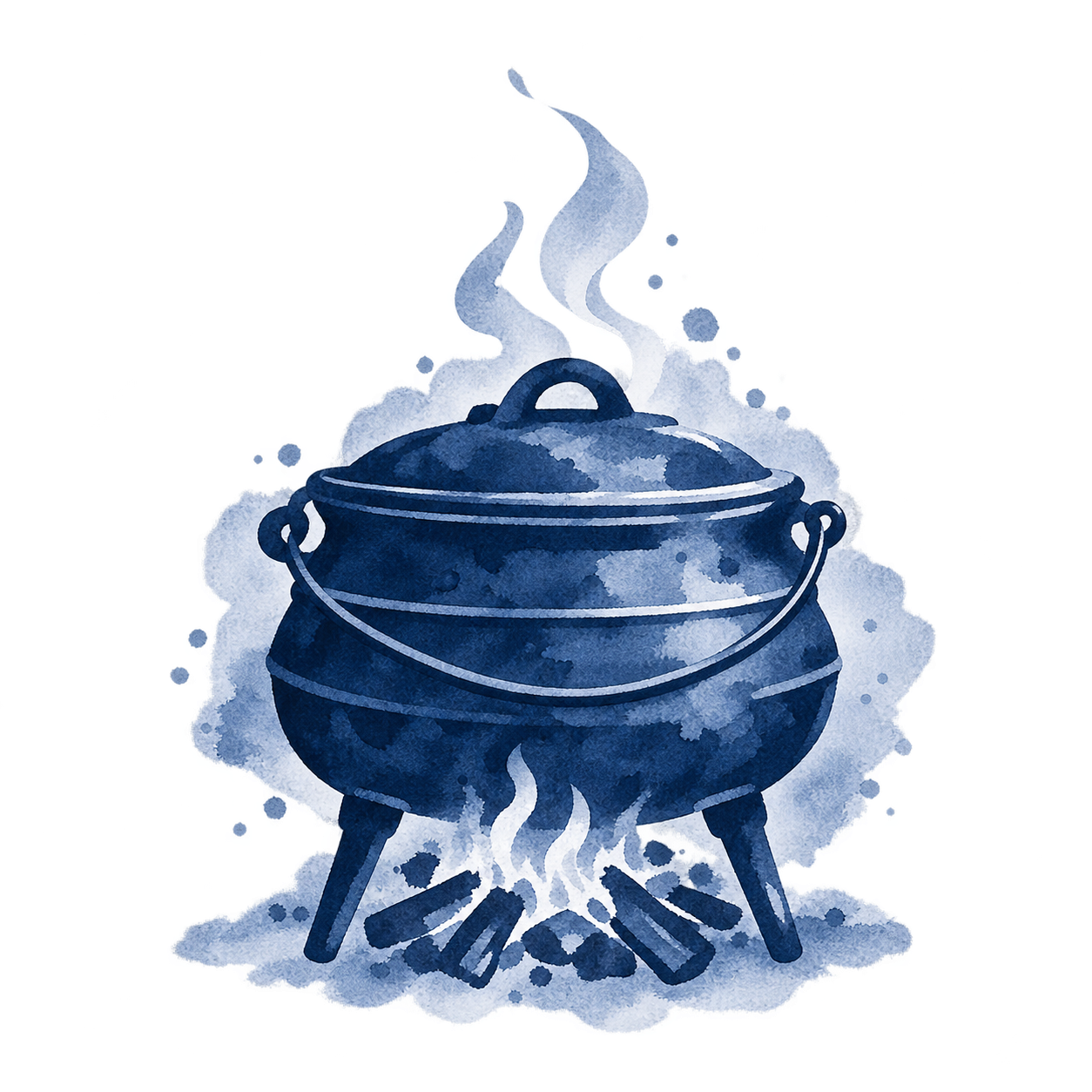
Potjie
A round, three-legged cast-iron cooking pot traditionally placed over coals. It also gives its name to potjiekos, food slowly cooked in the pot.
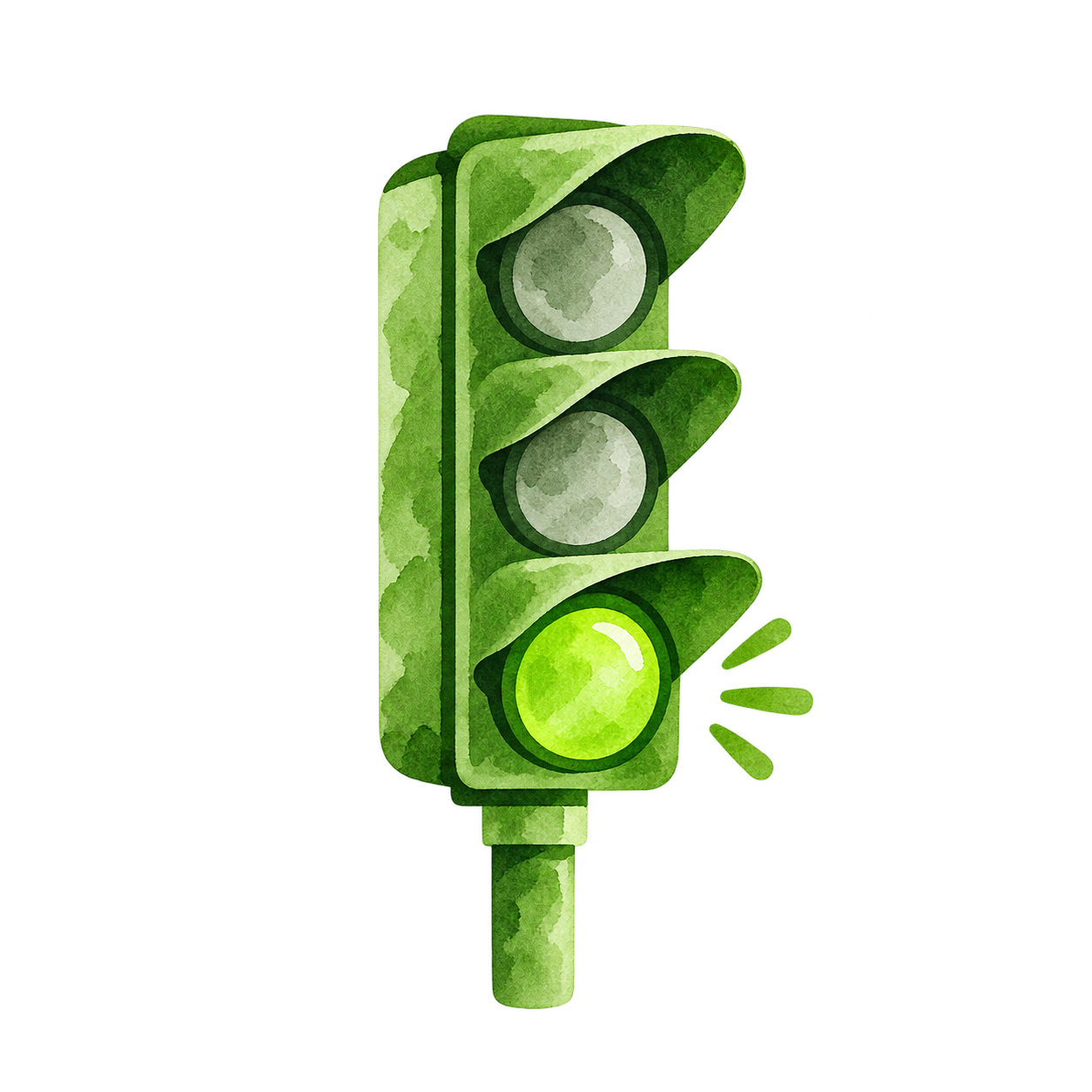
Robot
A traffic light. So if someone tells you to “turn left at the robot”, do not start looking for something with arms and legs.
Sharp / Sharp-sharp
Good, fine, excellent, sorted or understood. Repeating it simply adds enthusiasm: “See you tomorrow?” “Sharp-sharp.”
Shebeen
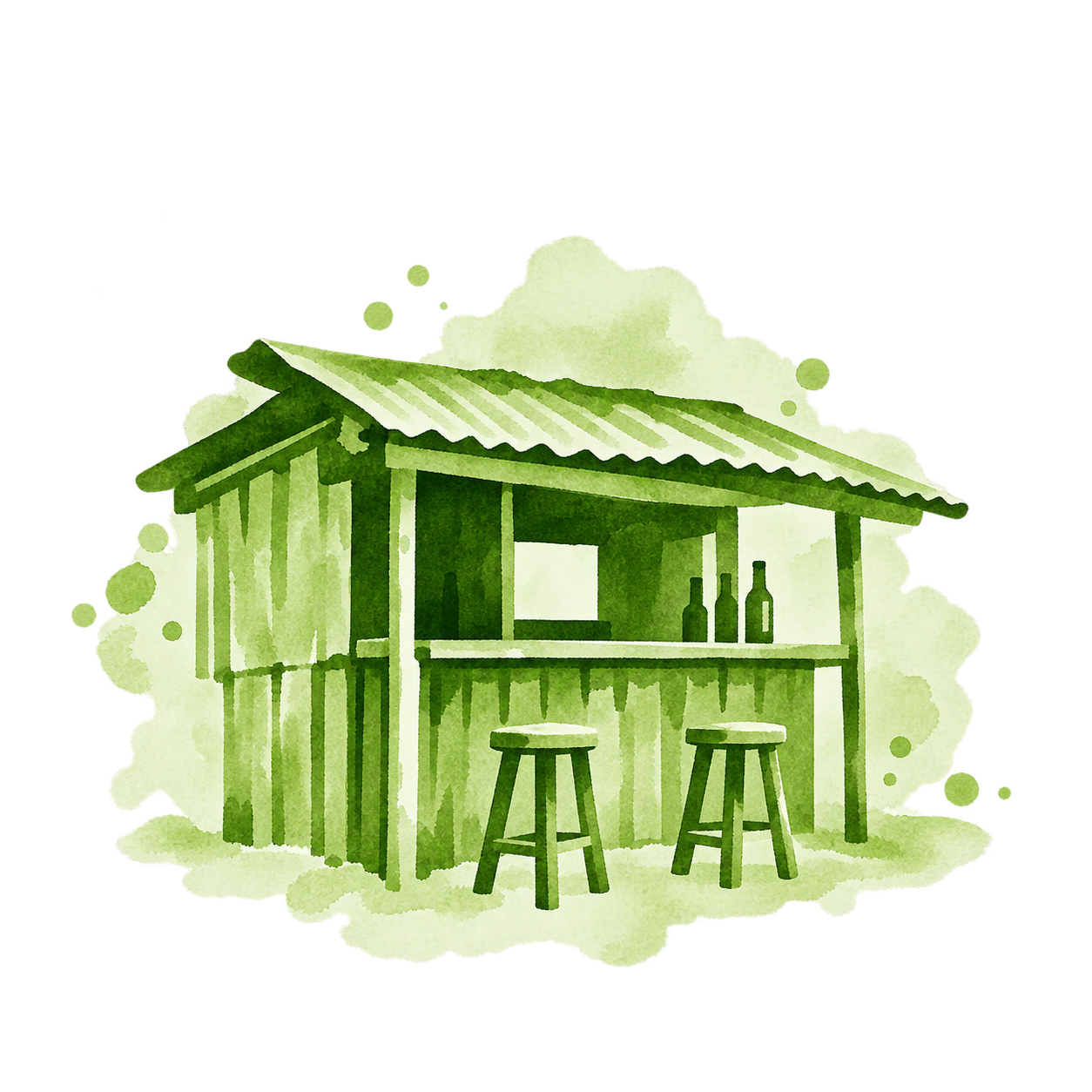
A neighbourhood bar or drinking place. Historically the word often referred to informal or unlicensed establishments, although today it is used more broadly.
Skinner
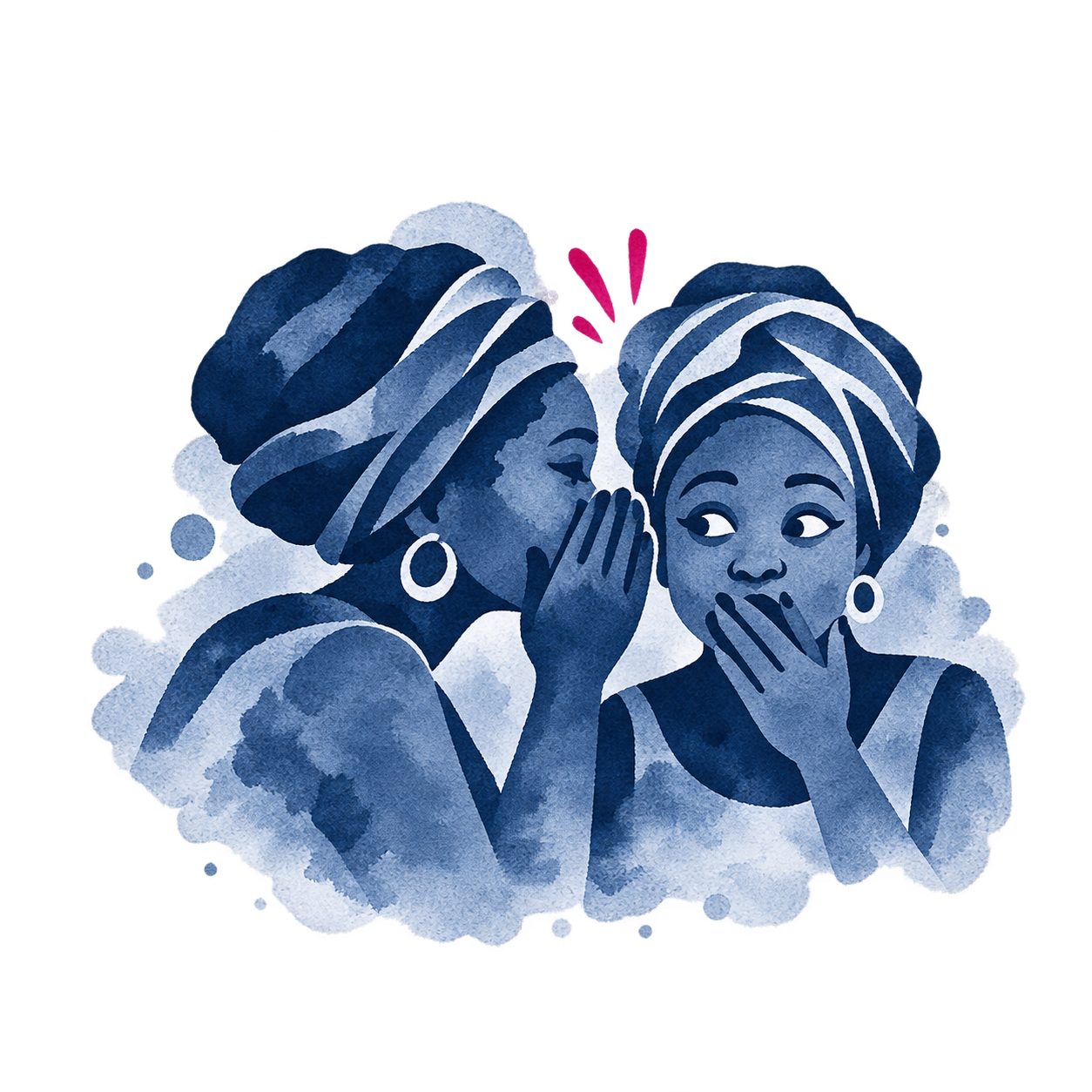
Gossip or juicy news. Not necessarily malicious — sometimes it is simply a story that becomes considerably more interesting over coffee.
Sosatie
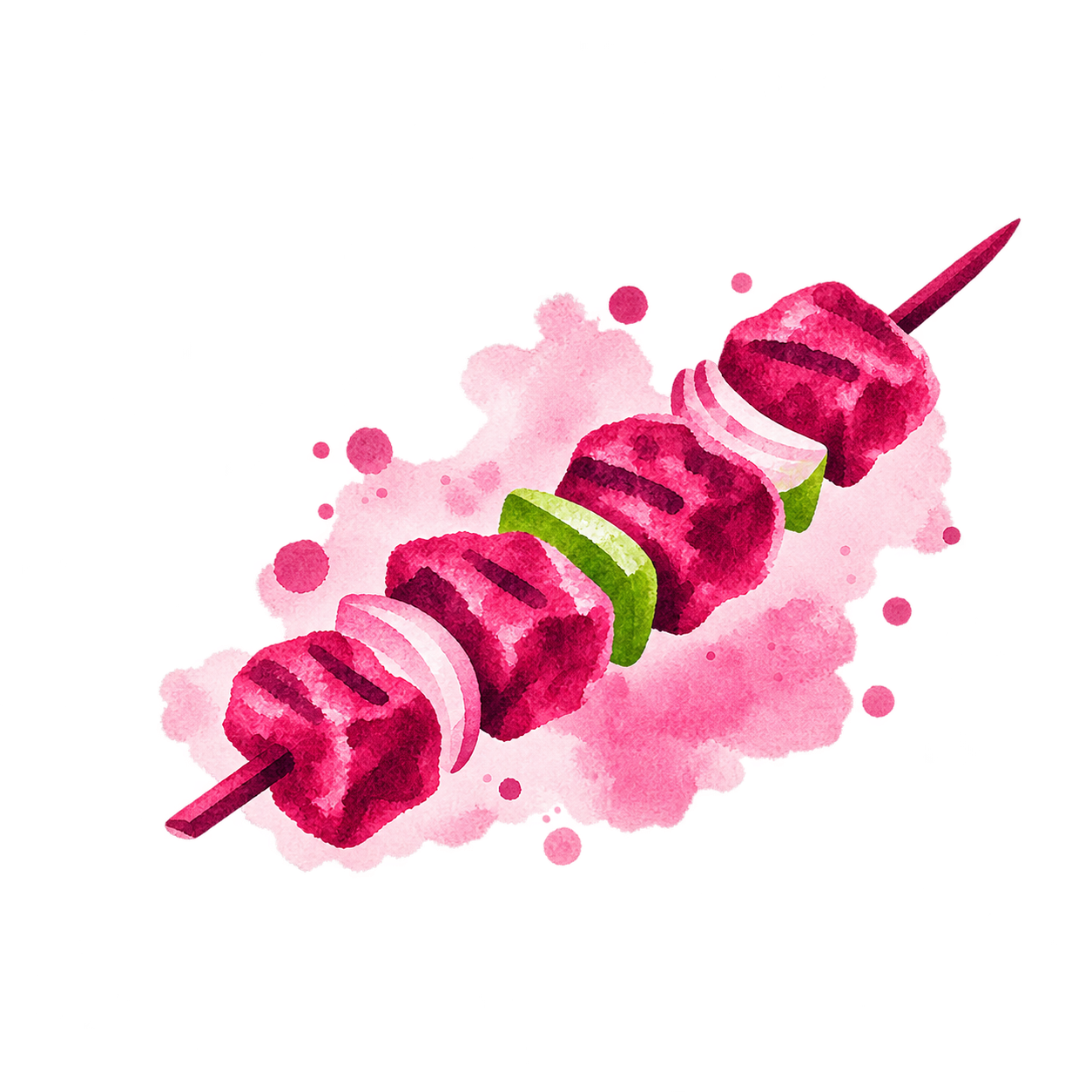
Pieces of seasoned or marinated meat threaded onto a skewer and cooked over the fire — essentially the local cousin of a kebab.
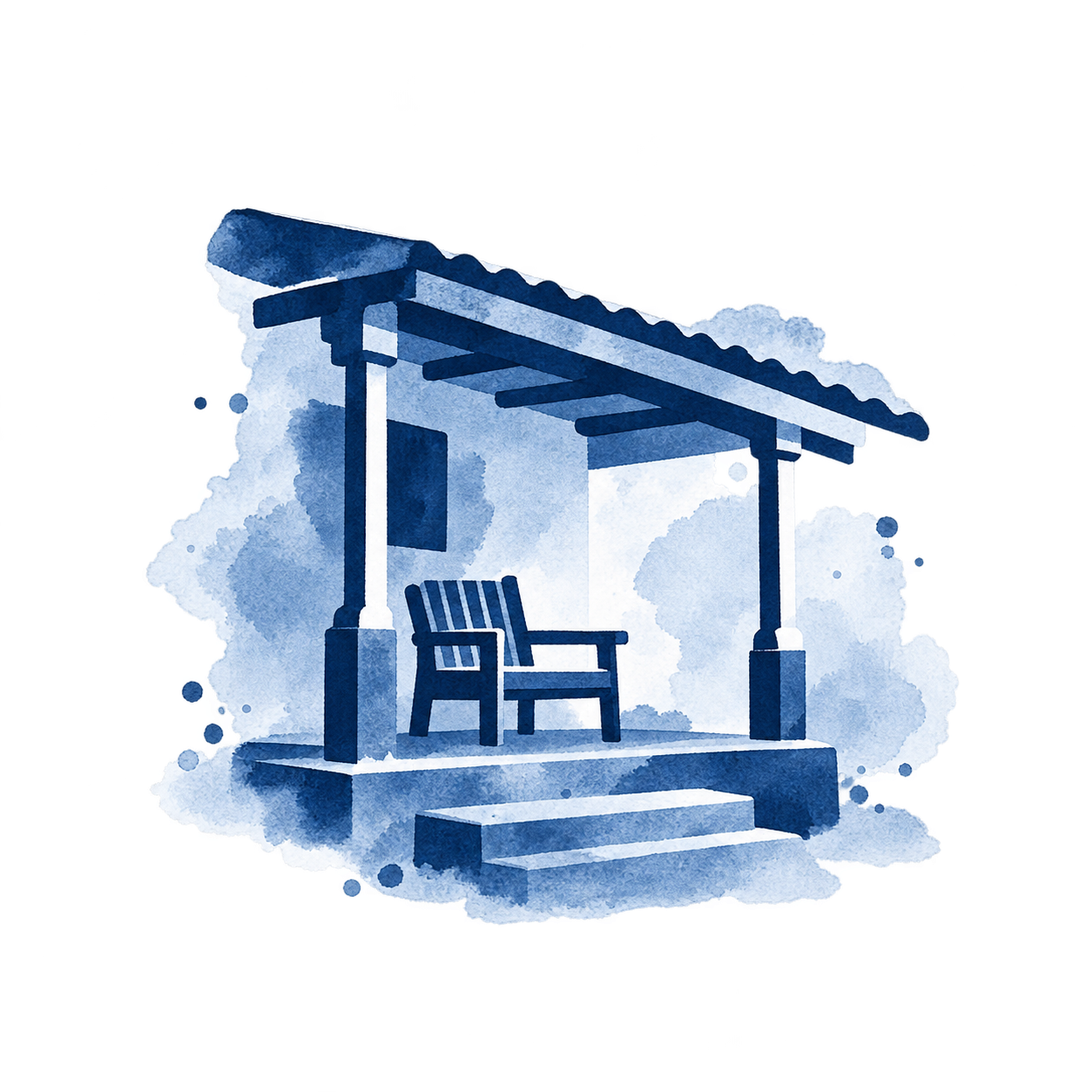
Stoep
A veranda, porch or covered area outside a house. It is a surprisingly useful word in Namibia, where so much life happens outdoors.
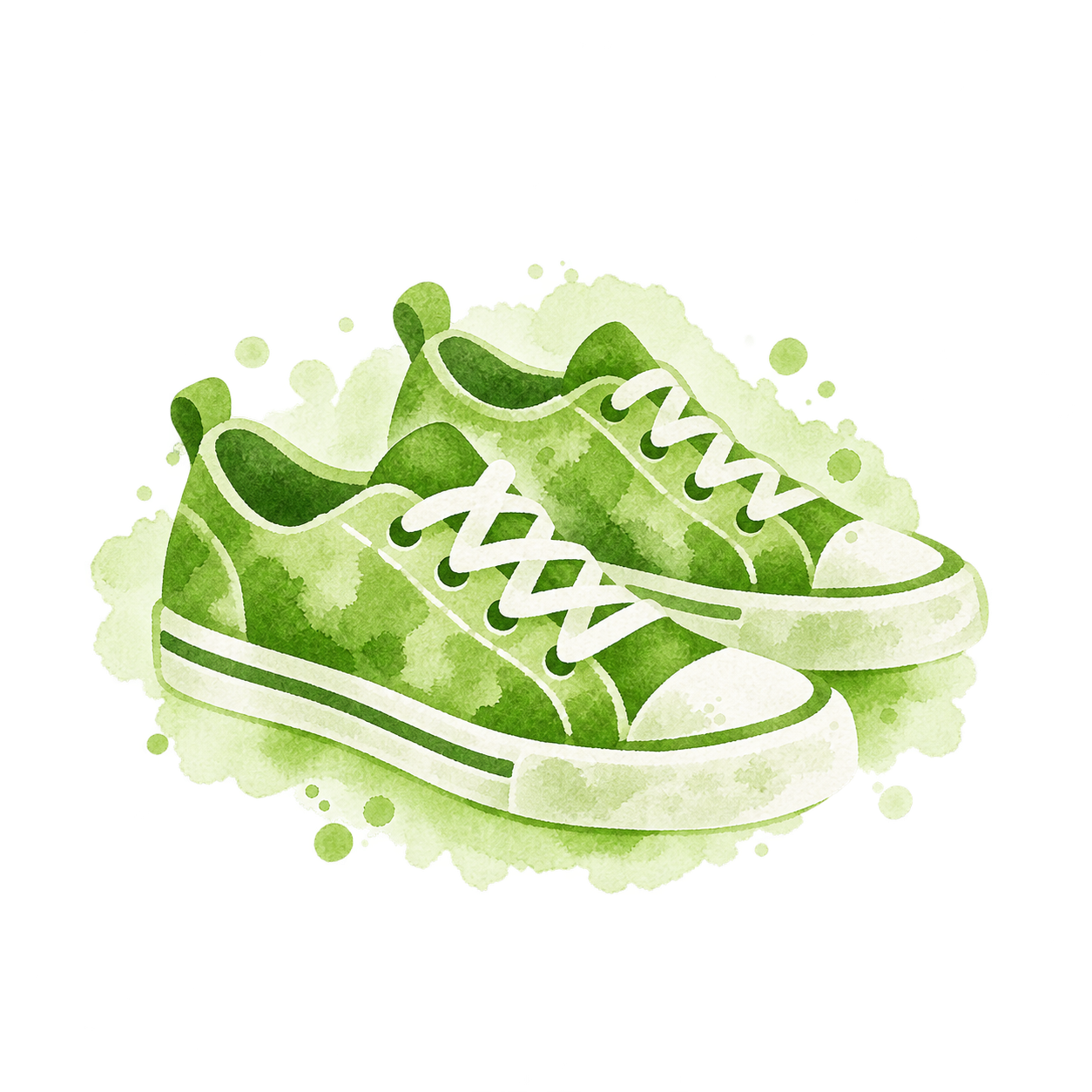
Tekkies
Sneakers or trainers. Ideal for walking; considerably less pristine once Namibian dust has introduced itself.
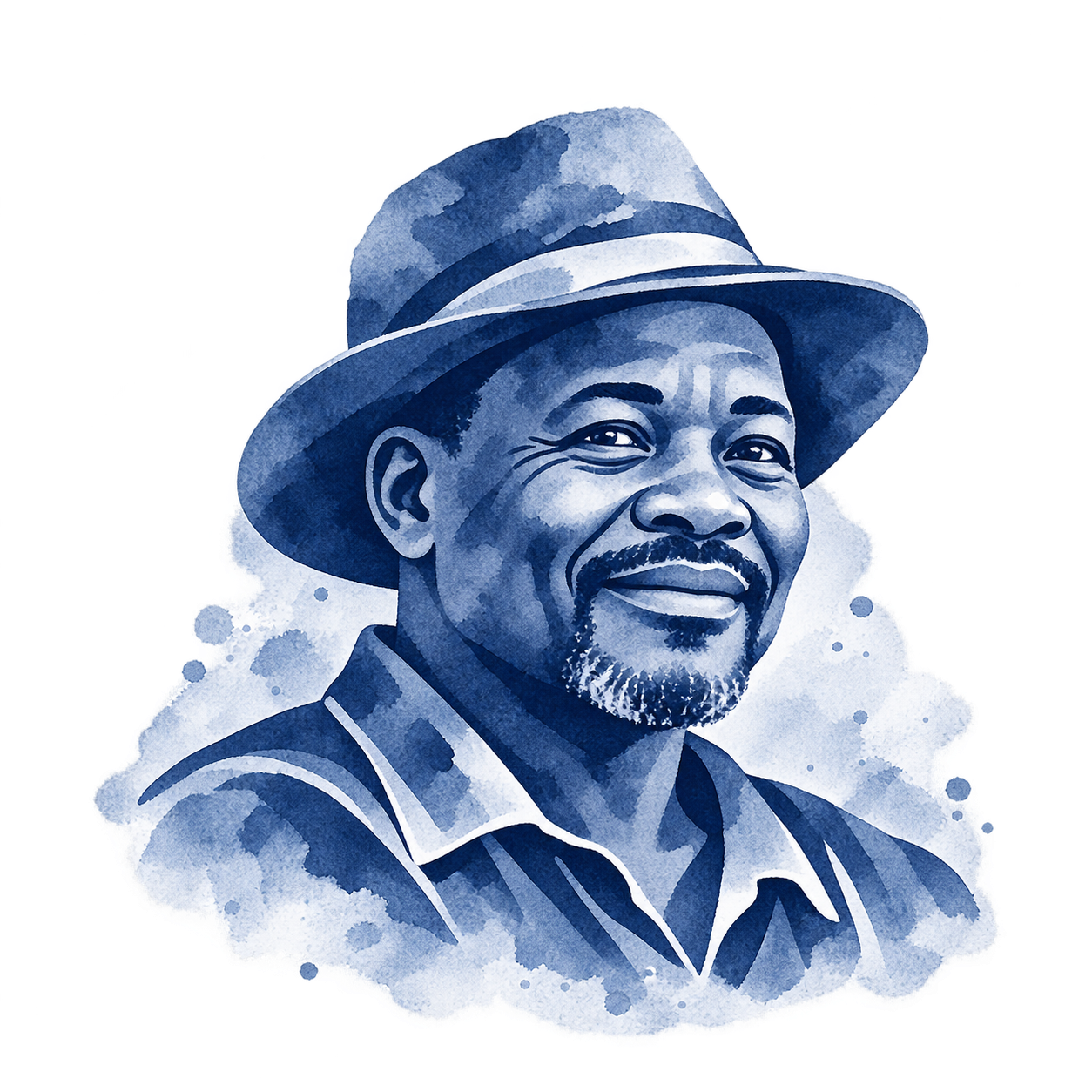
Tate
A respectful Oshiwambo form of address for an adult man or father figure. Like Meme, it carries social meaning beyond simply referring to age.
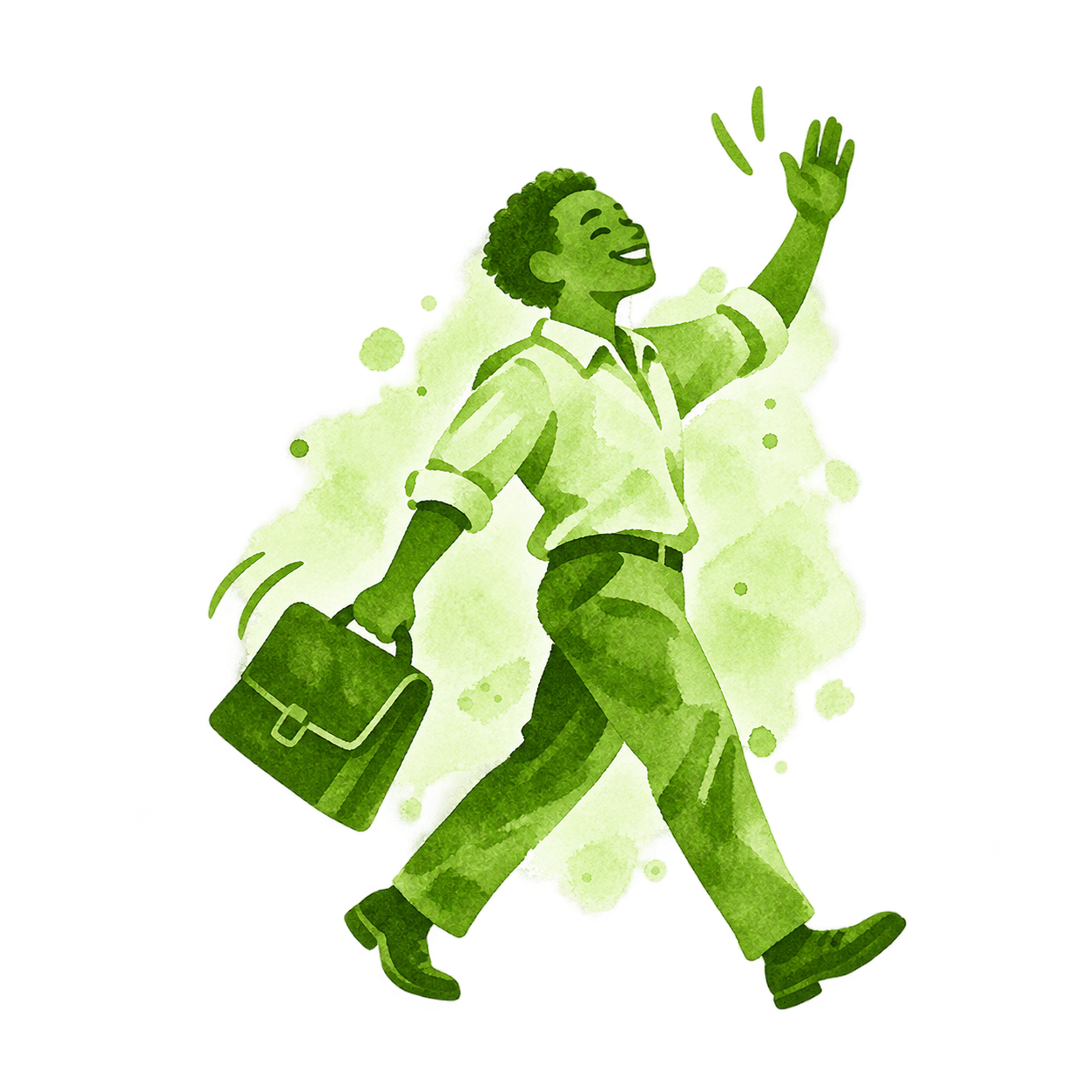
Tjaila
To finish work, knock off or head home. When somebody says it is time to tjaila, the working day is officially losing the argument.

Tombo
A traditional fermented drink, commonly made from grains such as sorghum or millet. The word is especially associated with everyday social life in northern Namibia.
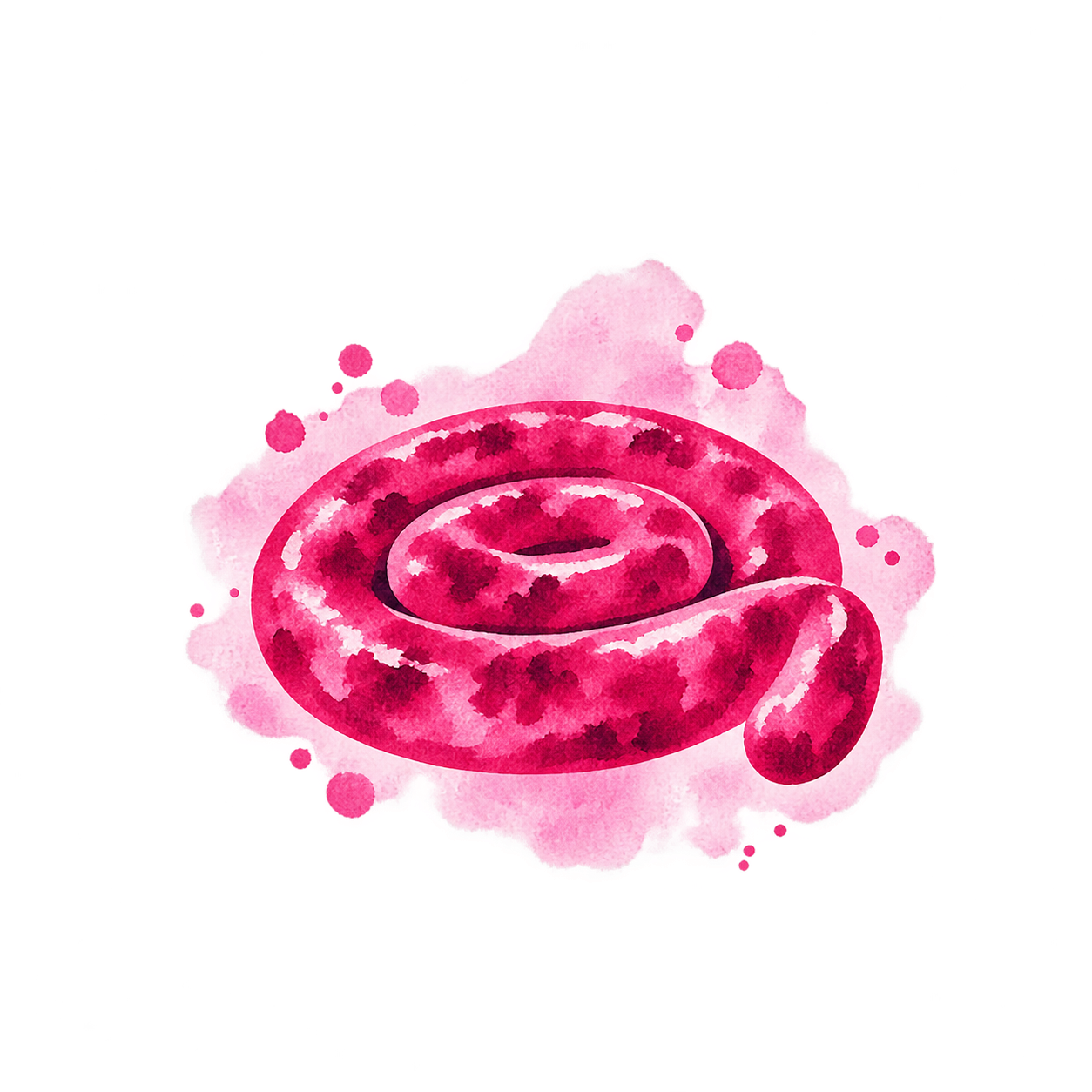
Wors
Short for boerewors: the coiled, seasoned sausage closely associated with a braai. If there is a fire and meat nearby, wors is rarely far behind.
Ja, nee
Literally “yes, no”. Depending on tone, it can mean “yes”, “well”, “exactly”, “I hear you”, or simply keep a conversation moving.
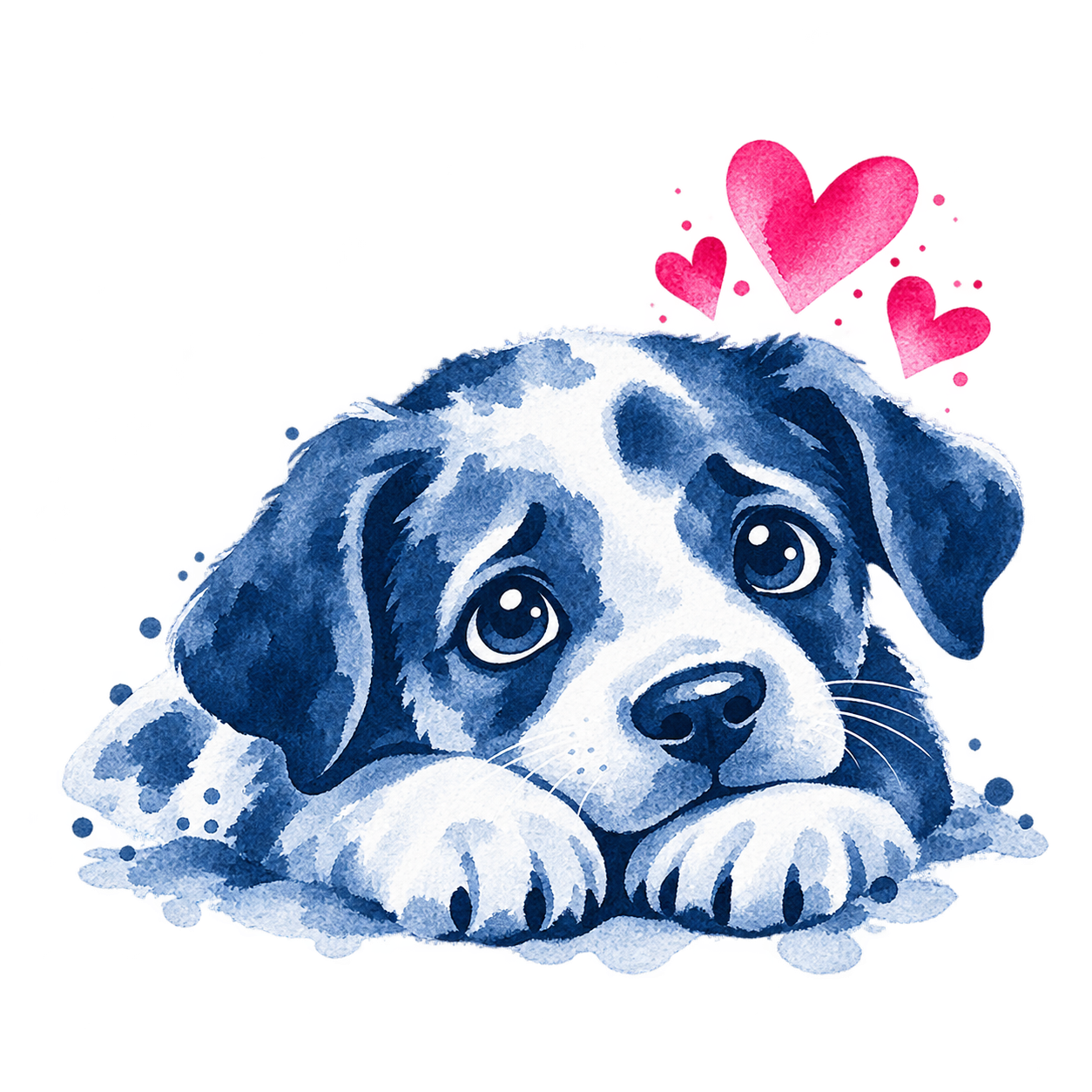
Ag shame
An expression of sympathy, affection or tenderness: “Oh, poor thing” or “That is adorable.” Despite the word shame, nobody is necessarily embarrassed.

Howzit
A casual Southern African greeting meaning roughly “How is it going?” It usually does not require a detailed update on your wellbeing.
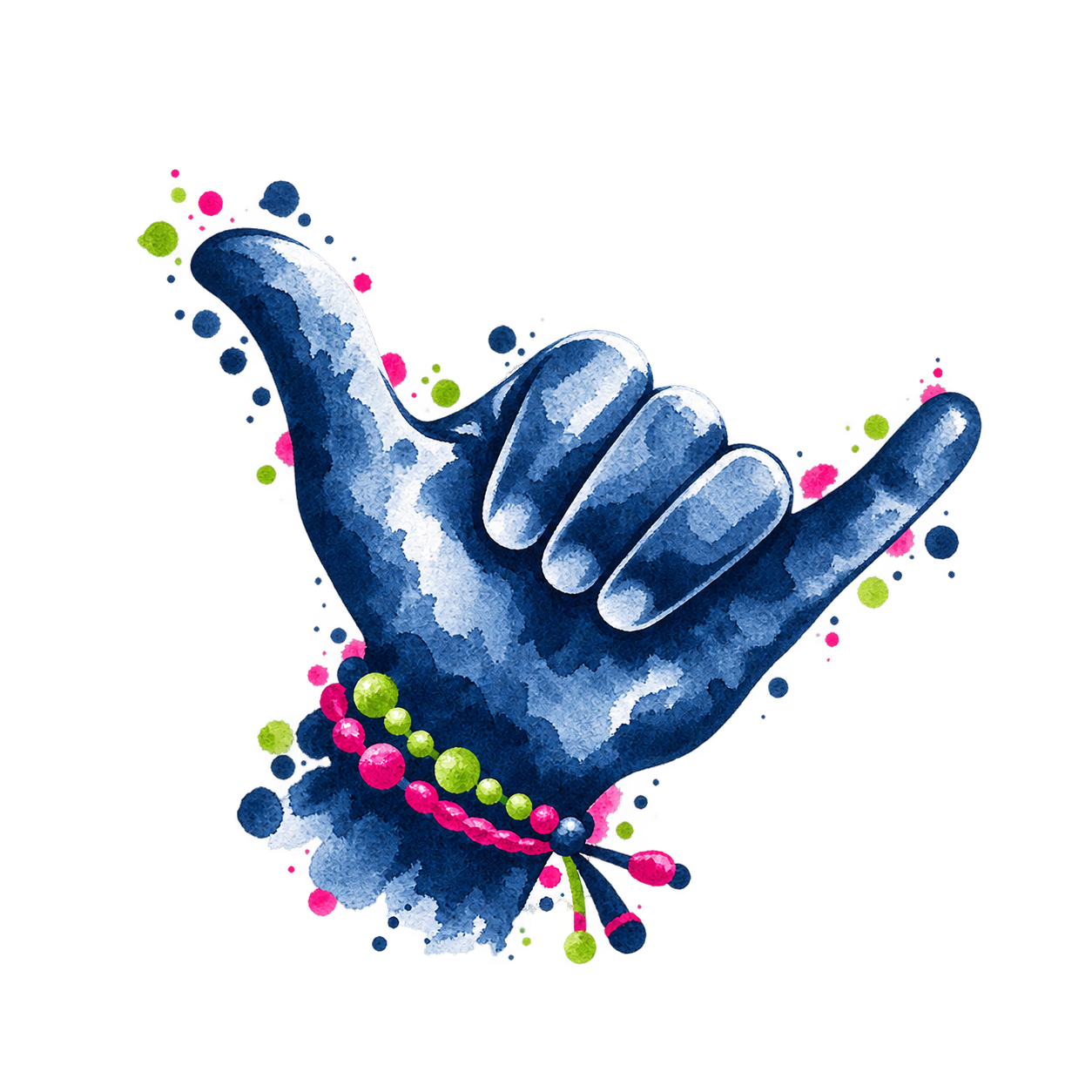
Aweh
Possibly one of Namibia’s most versatile everyday words. Depending on tone, it can mean hello, yes, okay, great, or simply “I hear you.”
Mos
A small word that adds emphasis to something the speaker assumes you already know. “You know that, mos?” Once you notice it, you will hear it everywhere.
Etse
An expressive reaction rather than a word with one neat translation. Depending on tone, it can convey surprise, disbelief, admiration, disappointment or attitude.
Was pottet?
Namibian German for “What is happening?” or “What is going on?” — a compact example of local German doing its own thing.
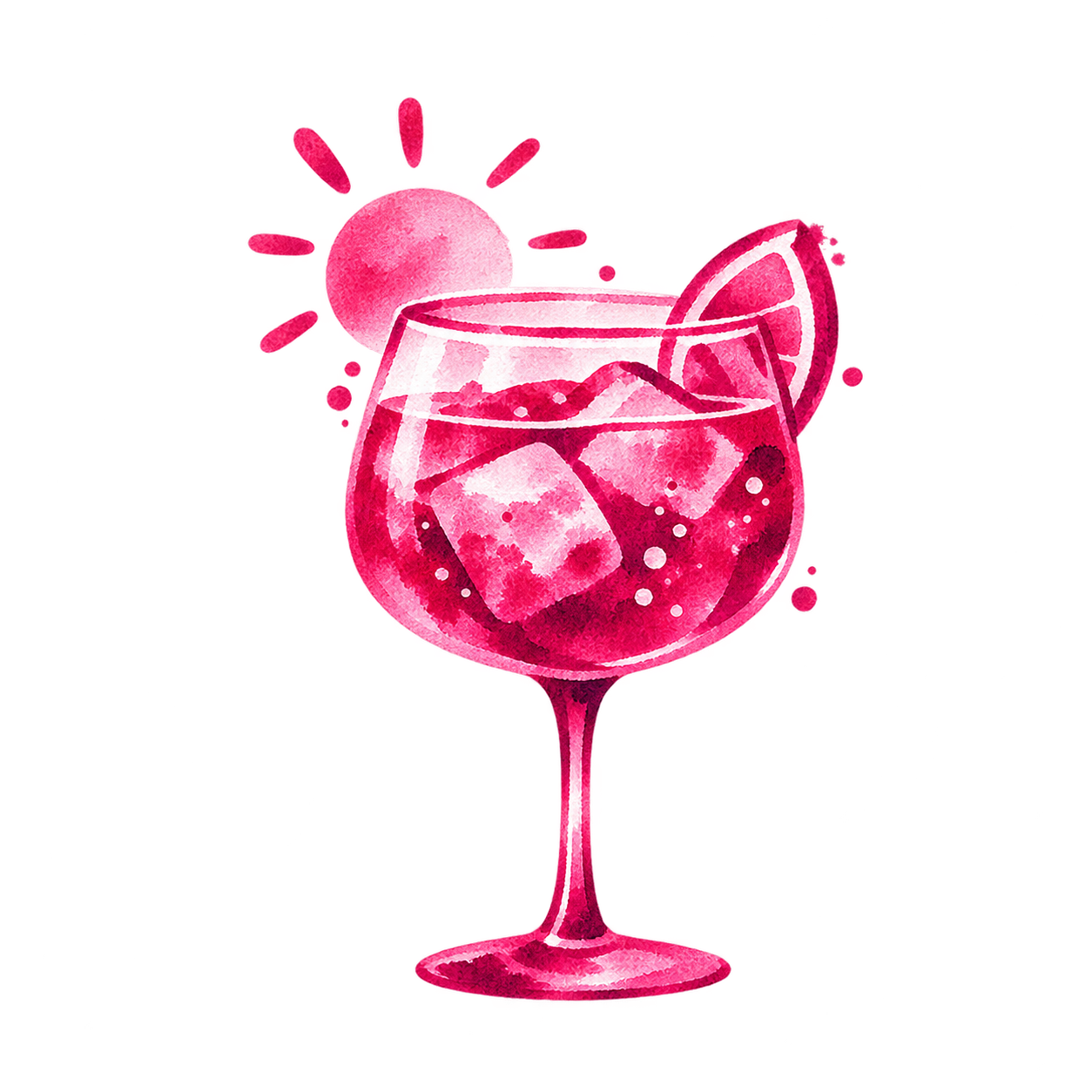
Sundowner
A drink enjoyed as the day ends, preferably somewhere with a horizon. In Namibia it is less about what is in the glass than the ritual of stopping to watch the landscape change colour.
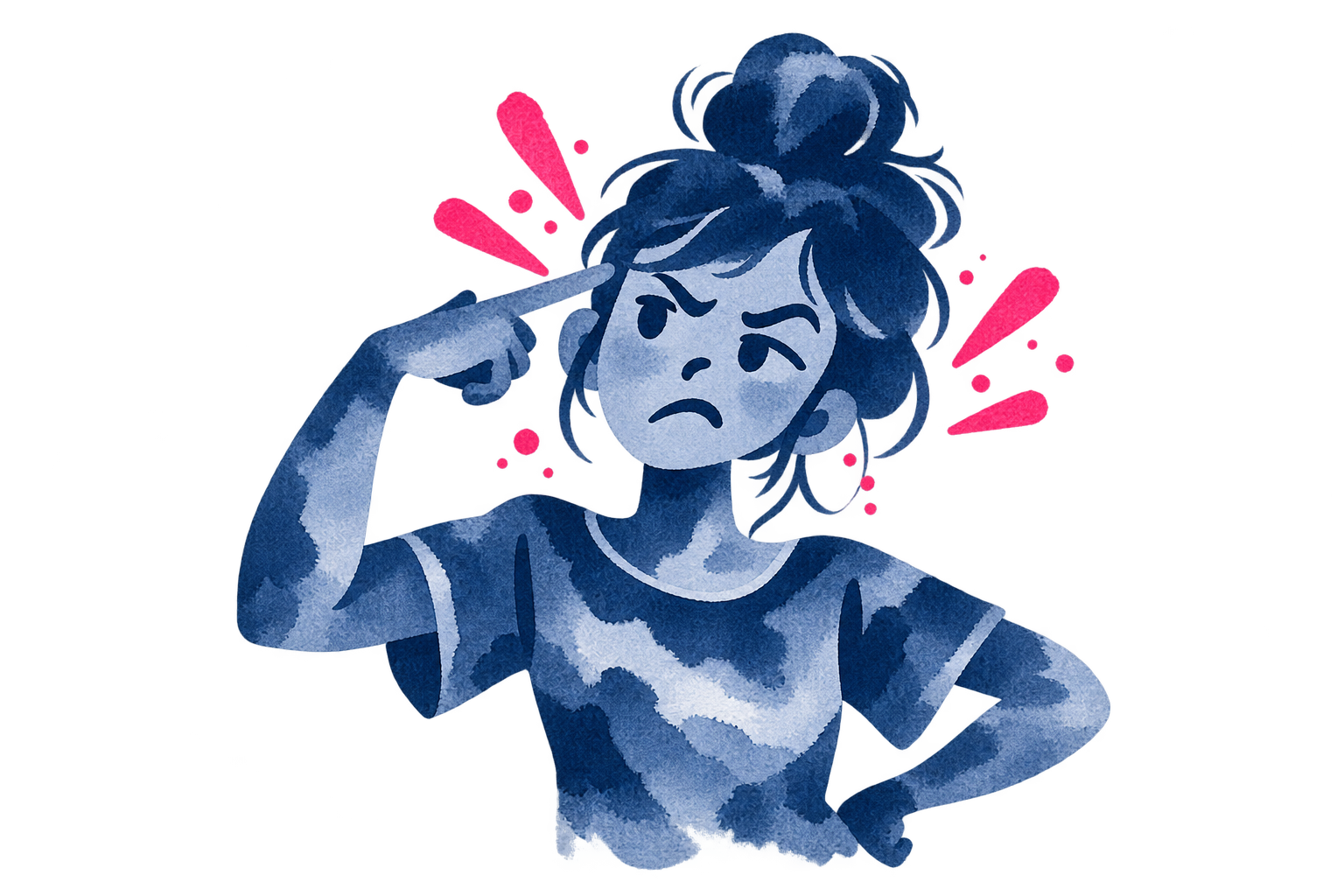
Du bist nicht lekker im Kopf.
Namibian German for something like “You are not lekker in the head” — usually a joking way of saying someone is a little crazy or ridiculous.
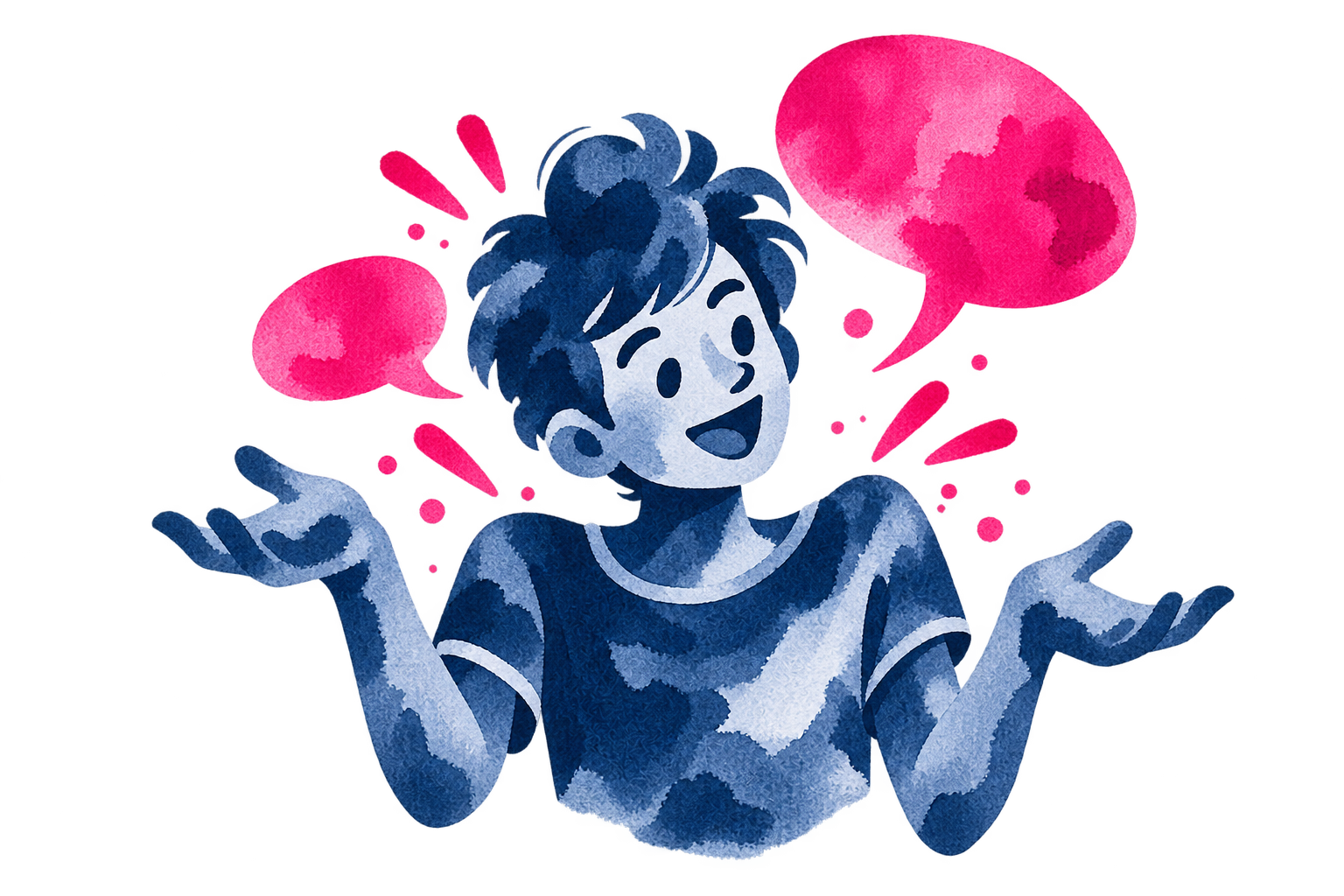
Was ist dein Tune?
Namibian German for “What is your story?” or “What are you up to?” — an English noun dropped happily into a German sentence.
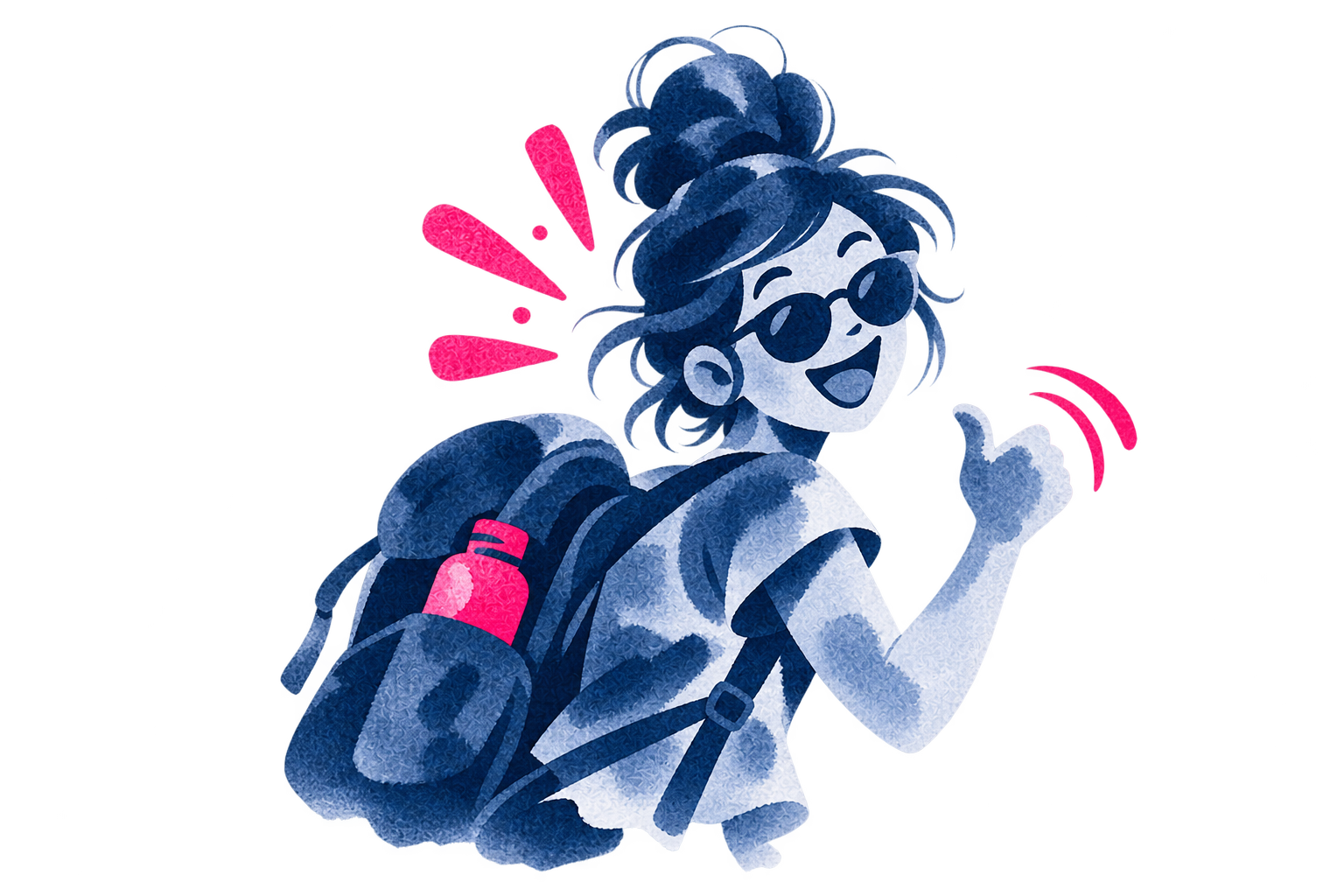
Wir gooin jetzt.
Namibian German for “We are going now.” German sentence structure meets an Afrikaans-derived verb.

Bleddie mooi!
A lively Namibian German/Afrikaans-English mix meaning “very beautiful” or “really nice”.
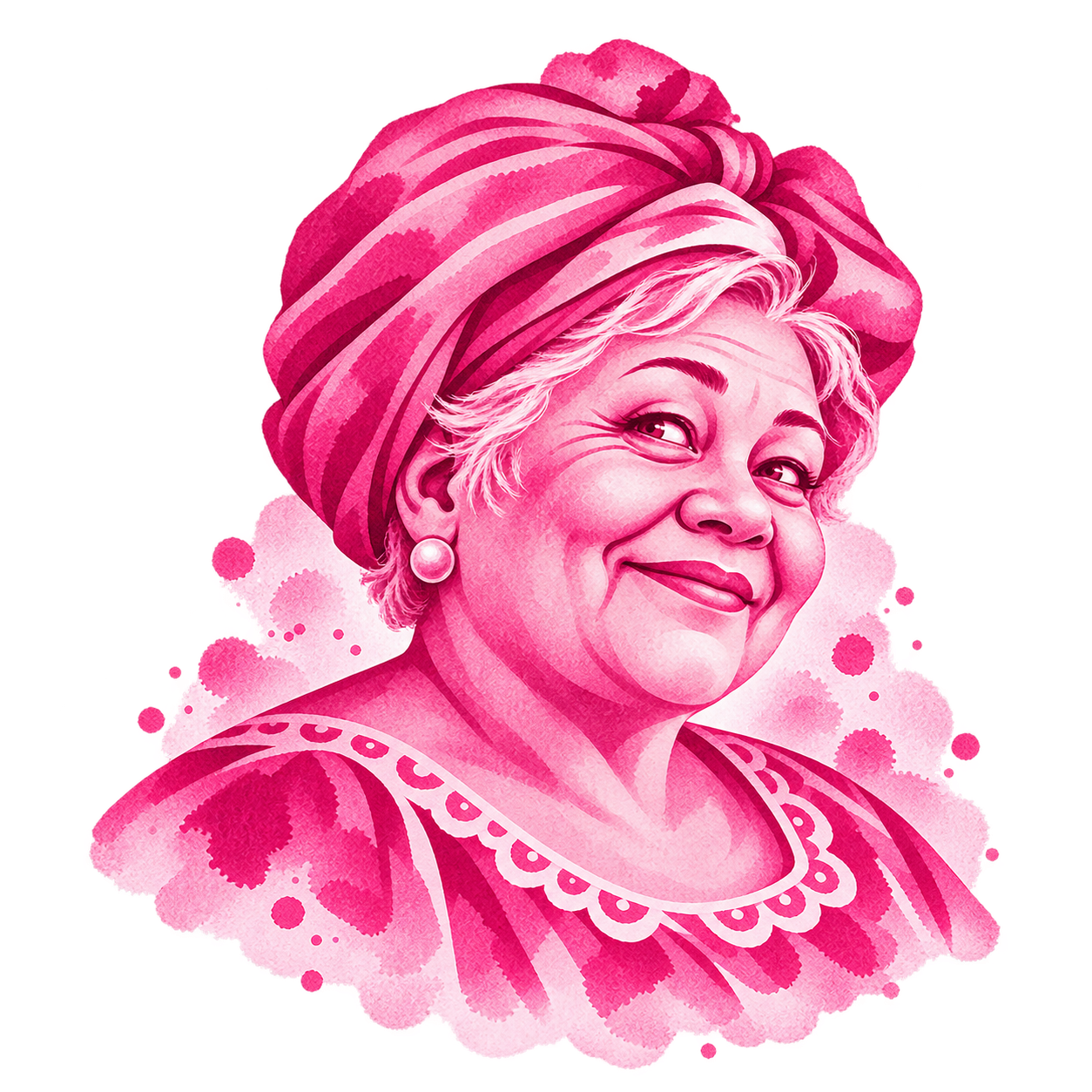
Tannie
Afrikaans for “auntie”, also used as a respectful or familiar way of addressing an older woman. Like Oom, it can signal warmth, respect or familiarity depending on context.
Mwa lala po?
An Oshiwambo morning greeting connected to asking whether someone slept or spent the night well. Greeting is an important social exchange, not just a quick hello.
Ongiini?
A useful Oshiwambo conversational greeting meaning roughly “How are you?”
Onawa
An Oshiwambo response meaning roughly “I am fine” or “It is good”. You can hear the familiar nawa at its heart.

Tangi unene
Oshiwambo for “thank you very much” — a useful phrase to learn before travelling in northern Namibia.
!Gâi ǁgoas
Khoekhoegowab for “good morning”. The click symbols are part of the written language and represent real speech sounds.
Matisa?
An informal Khoekhoegowab greeting meaning “How are you?”
!Gâi a
A Khoekhoegowab response meaning roughly “I am fine” or “It is good”.
Tjike? / Koree?
Common Otjiherero greetings meaning “hello”.
Mbi ri nawa
Otjiherero for “I am fine”. Again, nawa appears as the word for being well or good.
Kara nawa
An Otjiherero farewell meaning roughly “stay well” or “goodbye”.
Okuhepa / Ndangi
Otjiherero expressions used to say “thank you”.
Morokeni
A Rukwangali greeting often used as “good morning” and more broadly as a polite greeting during the day.
Ngapi?
Rukwangali for “How are you?” A simple reply is Nawa: “fine” or “good”.
.png?width=82&height=85&name=Navigate%20Namibia-03%20(1).png "Navigate Namibia")